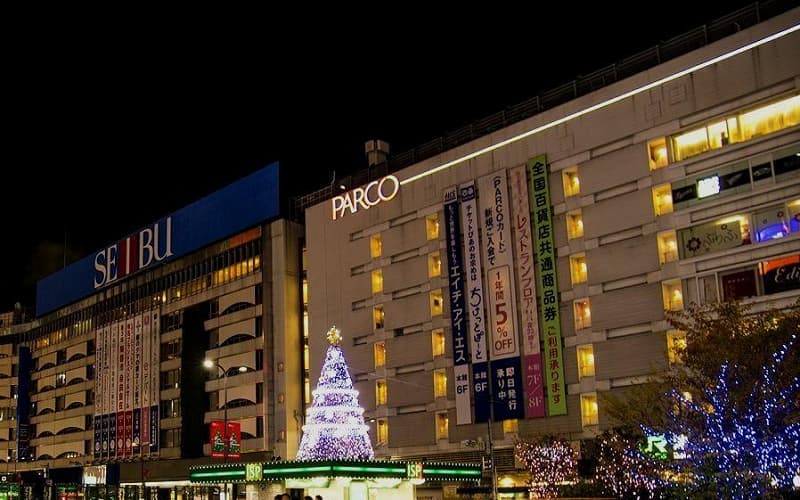
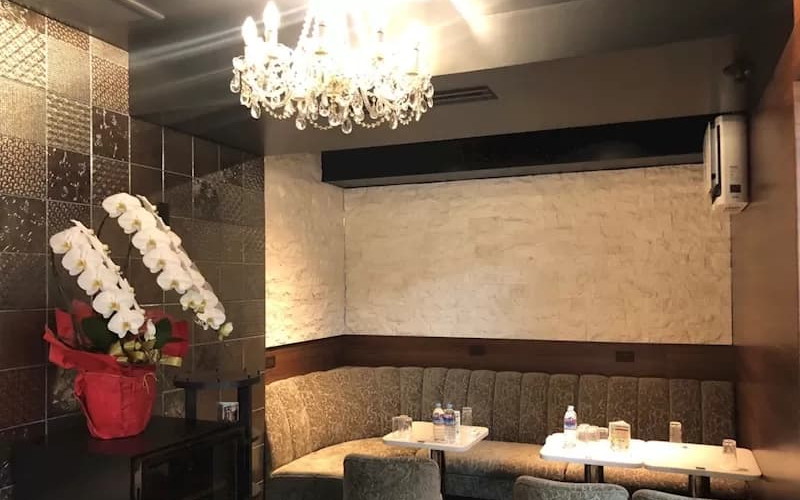
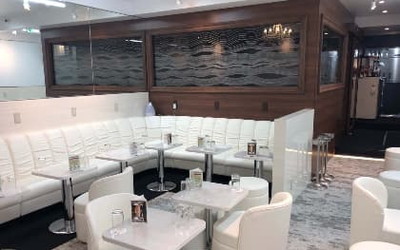
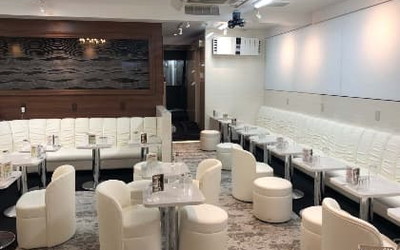
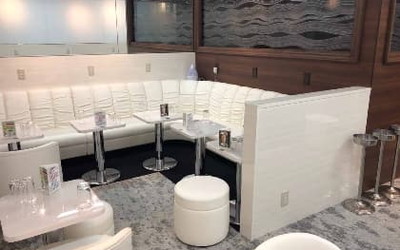
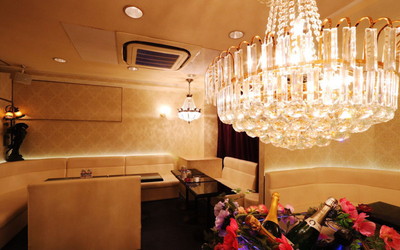
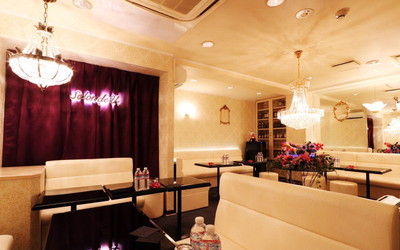
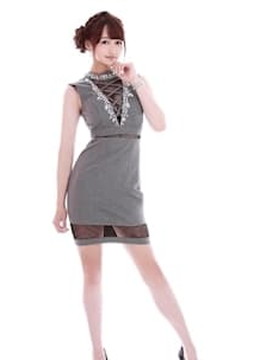
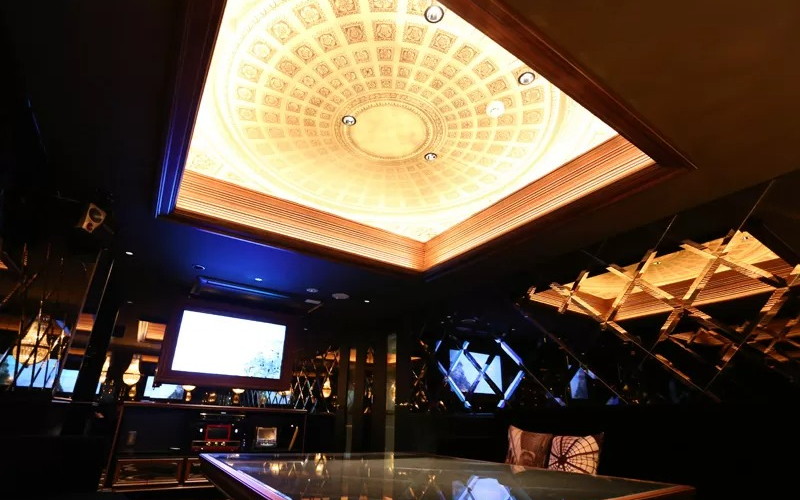
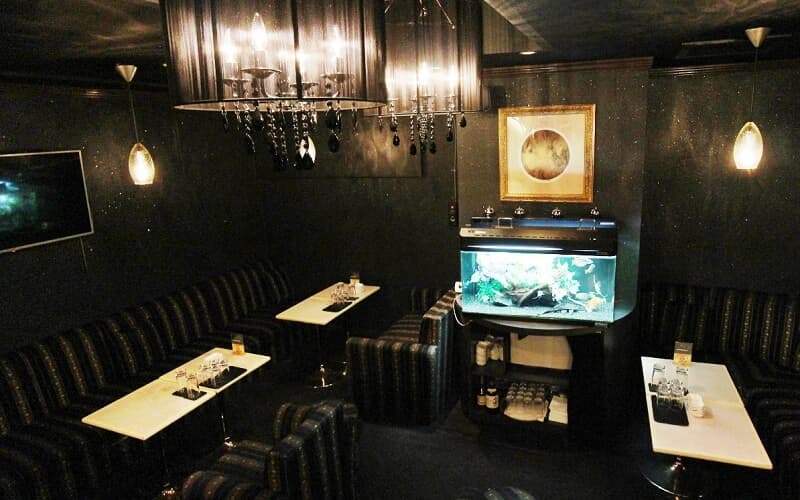
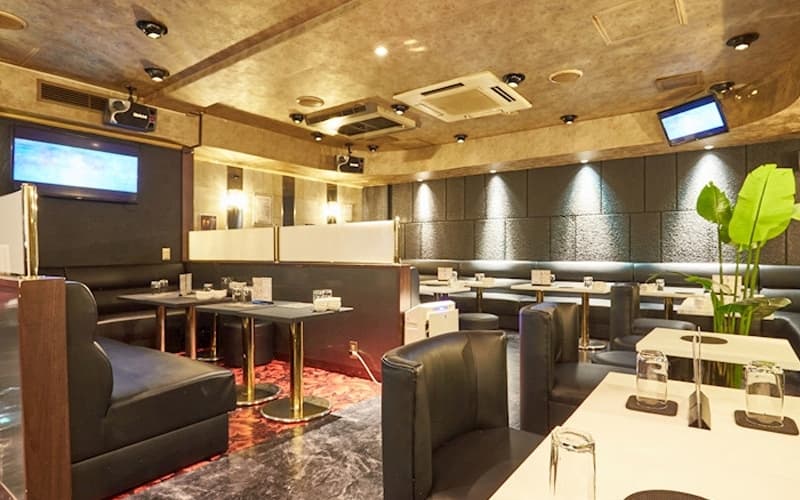
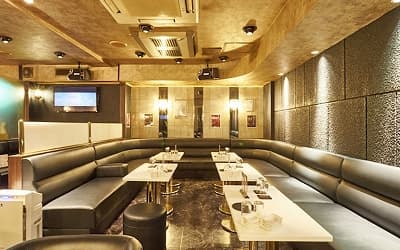
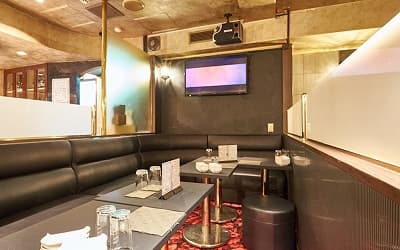
サブカルで有名な池袋は、ナイトスポットも充実しています 東京都豊島区に所在する池袋はエンターテインメントの宝庫。サンシャインシティは、水族館やグルメスポットといったテナントで遊べる複合型の施設。池袋乙女ロードにはサブカルチャー系のショップが並び、秋葉原に匹敵するほどのサブカルの街としても池袋は有名です。キャバクラ発祥の地ということでもちろんナイトスポットも充実しています。池袋西口付近は数多くのキャバクラが軒を連ねる歓楽街として賑わっています。夜の情報を発信している池袋のキャバクラ情報サイトで調べてみればわかりますが、豪華絢爛な池袋の高級キャバクラ からリーズナブルな大衆店まで幅広いジャンルのお店があり、キャバクラ初心者や玄人の方にも夜遊びを楽しめるエリアです。キャバクラ以外にガールズバーやラウンジをお探しの場合は「夜遊びショコラ」へ
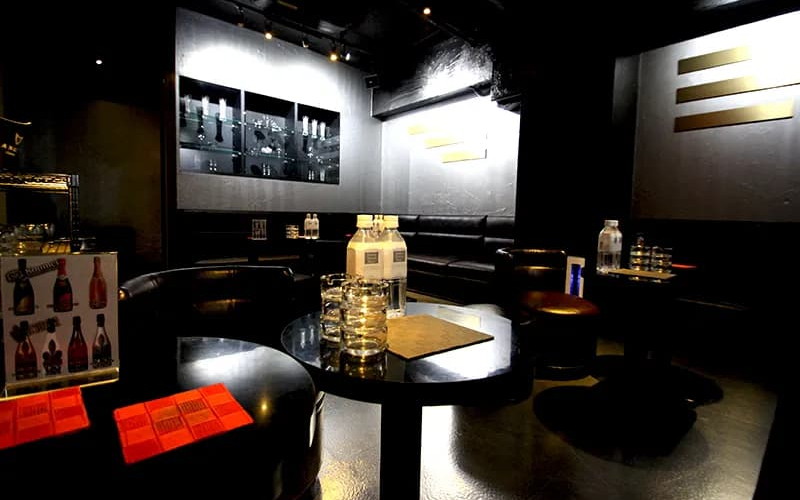
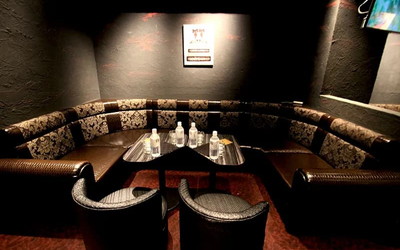
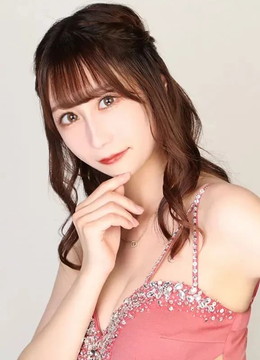
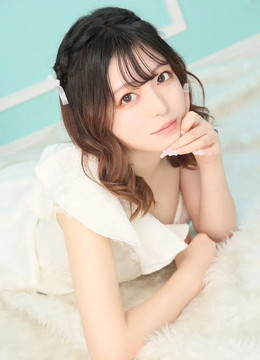
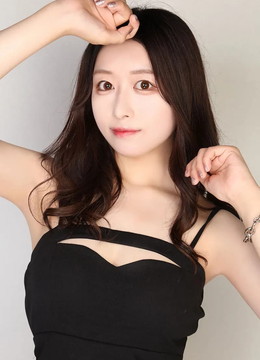
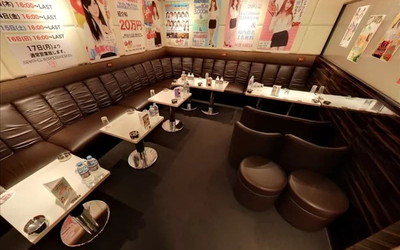
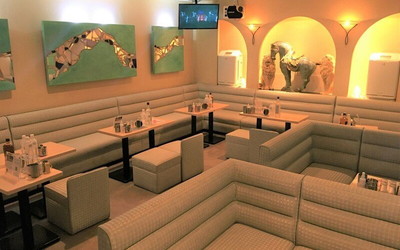
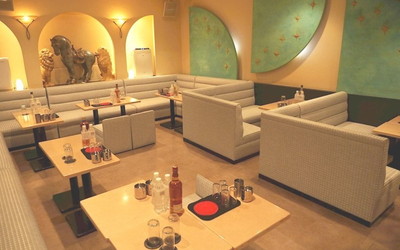
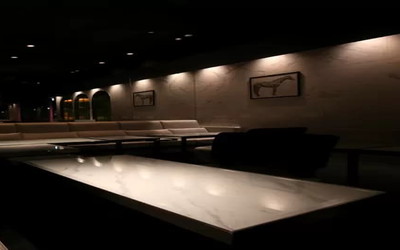
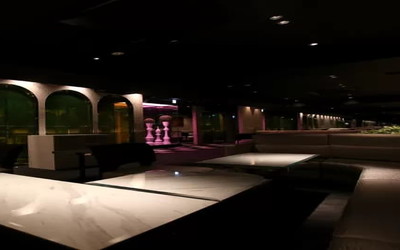
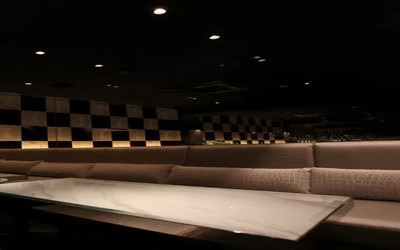
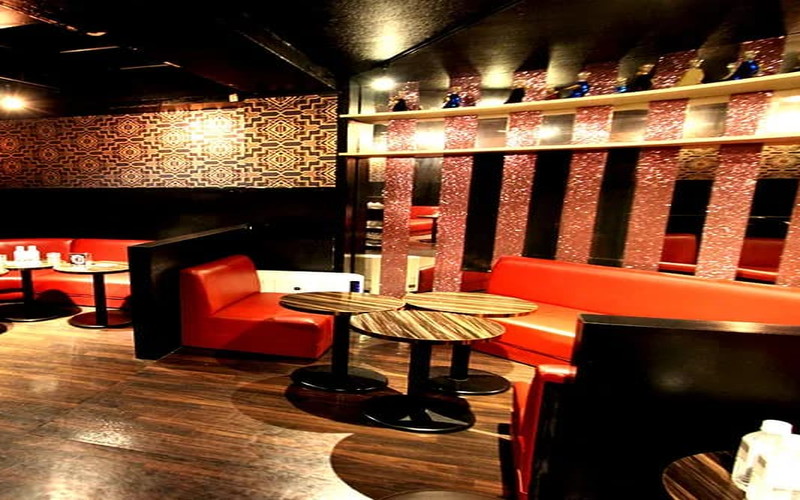
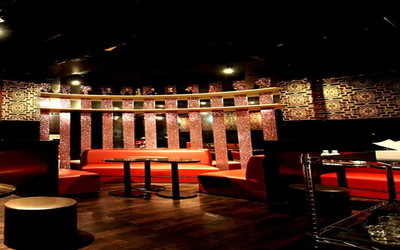
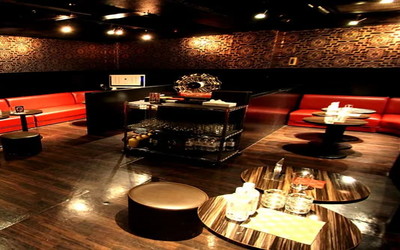
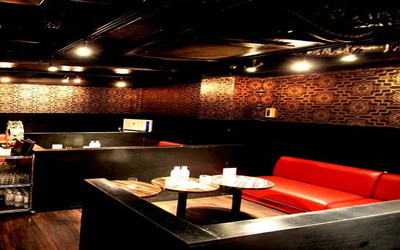
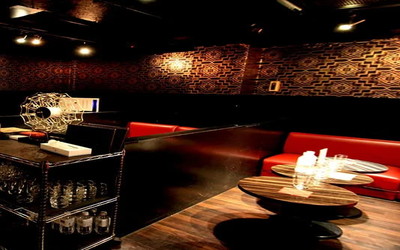
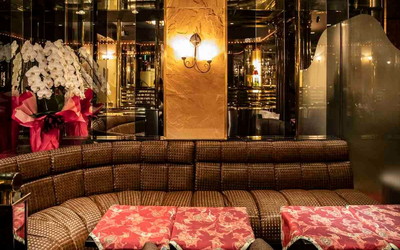
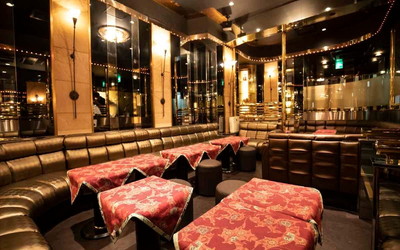
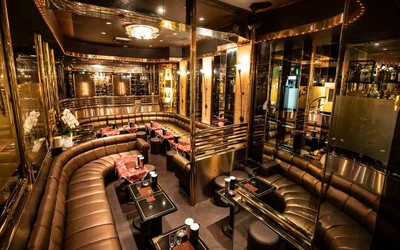
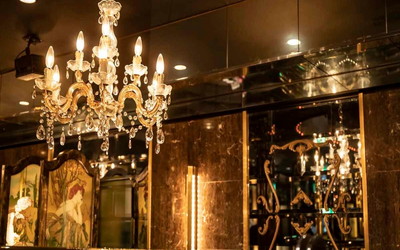
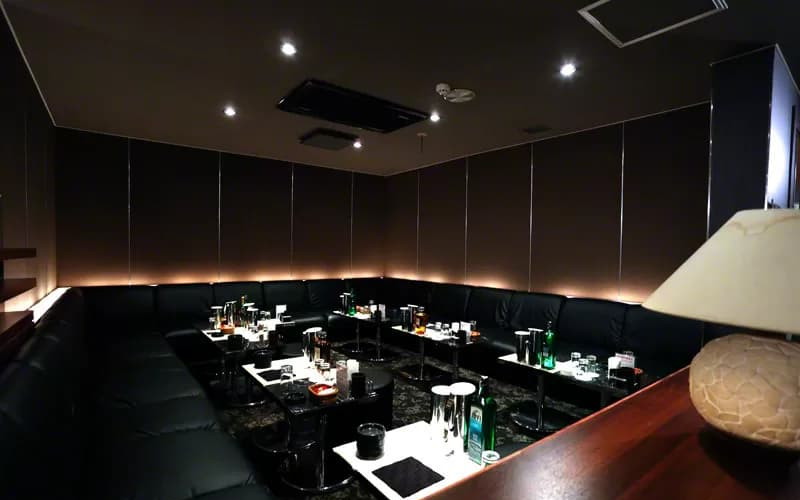
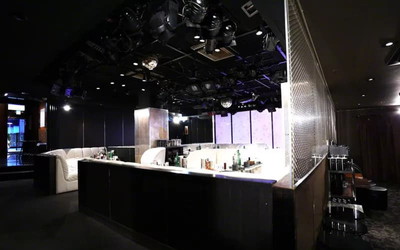
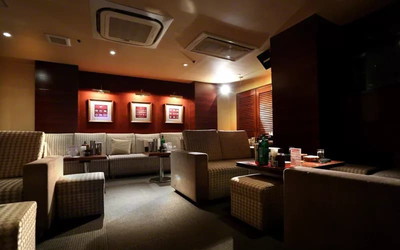
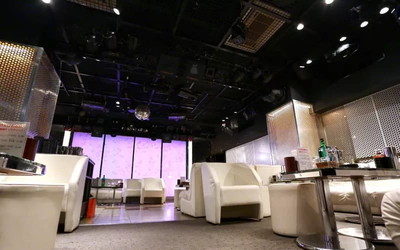
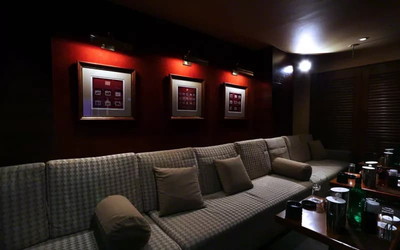
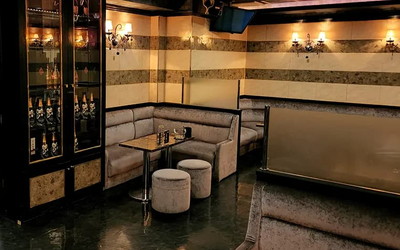
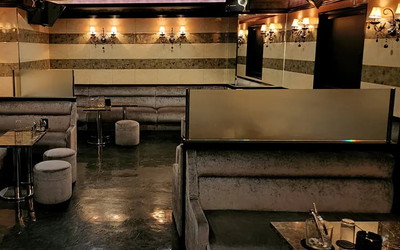
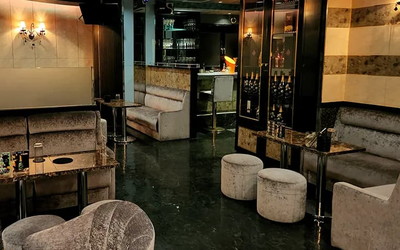
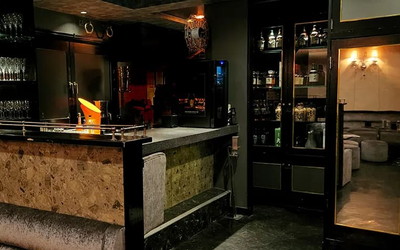
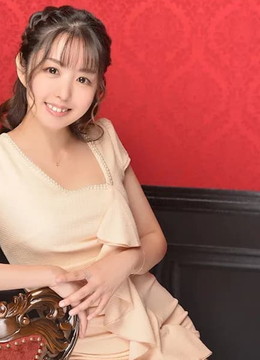
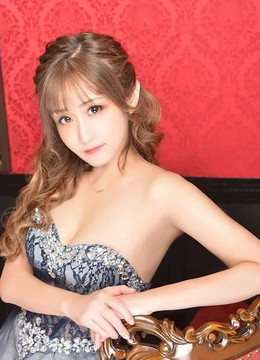
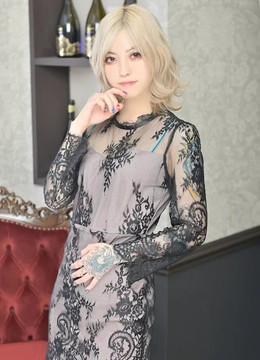
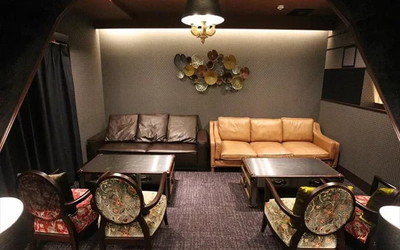
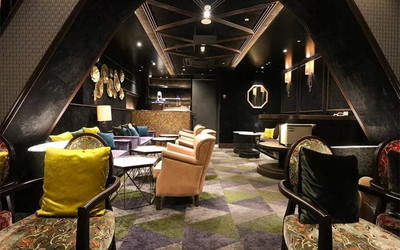
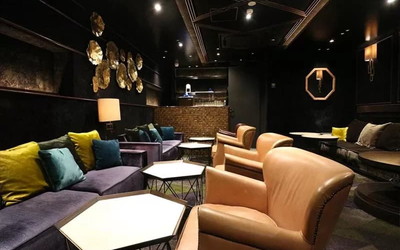
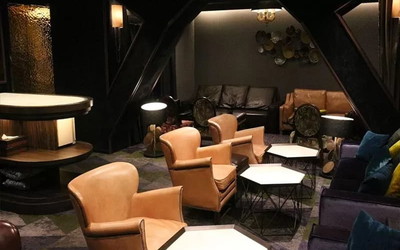
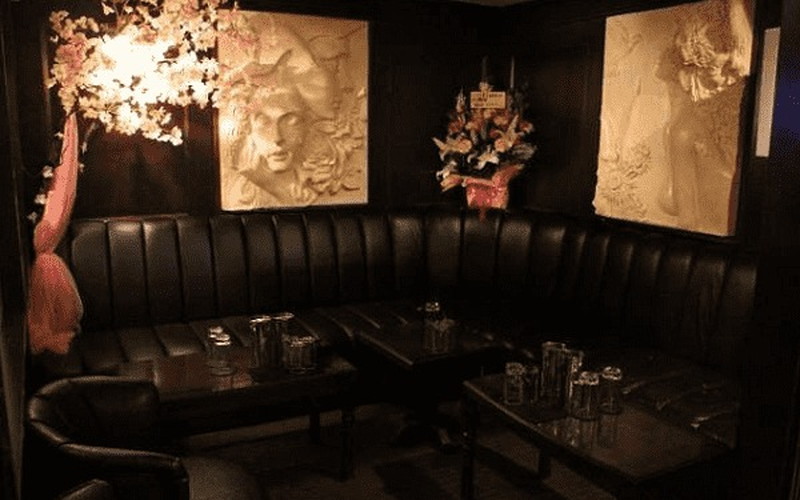
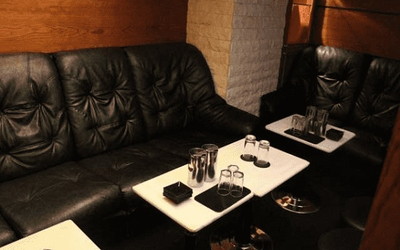
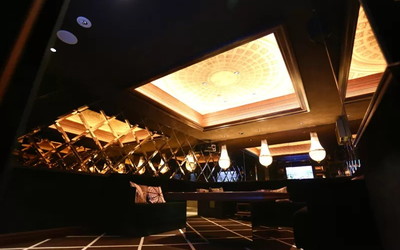
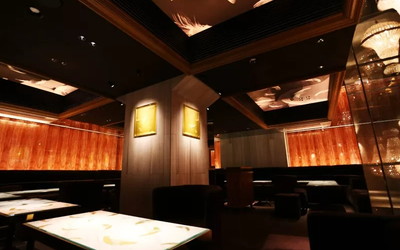
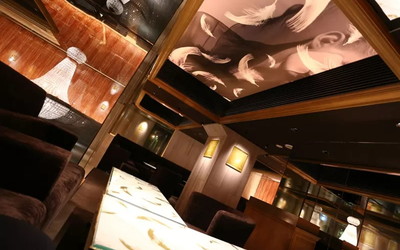
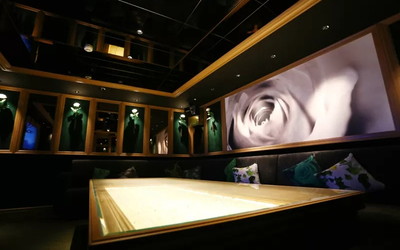
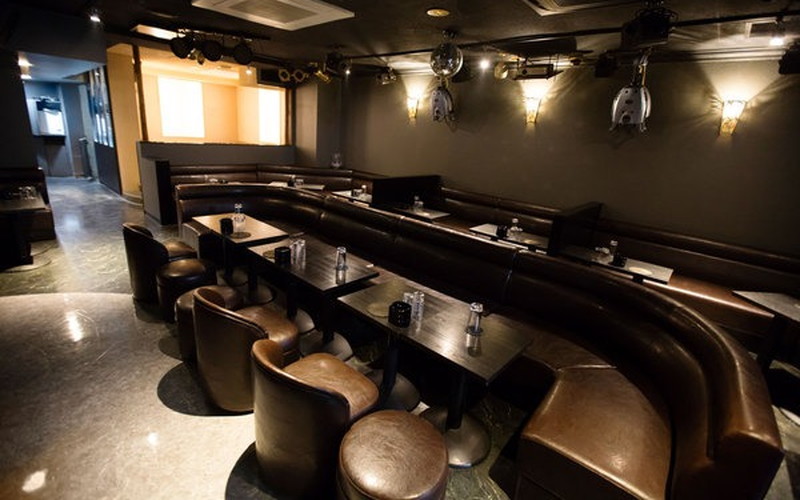
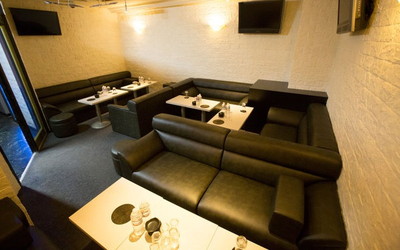
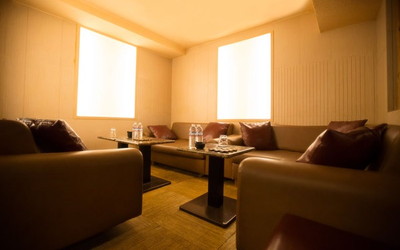
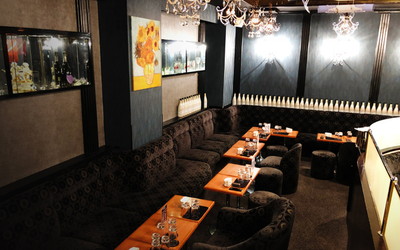
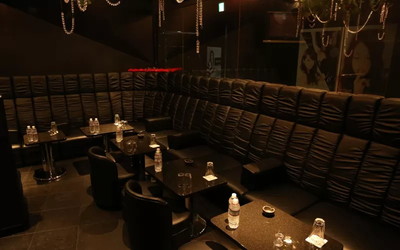
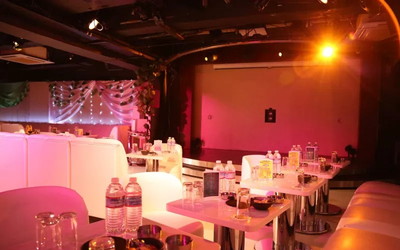
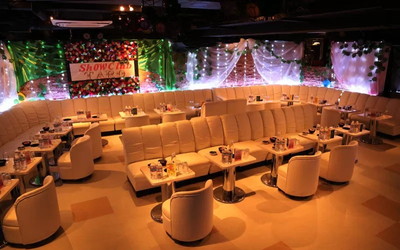
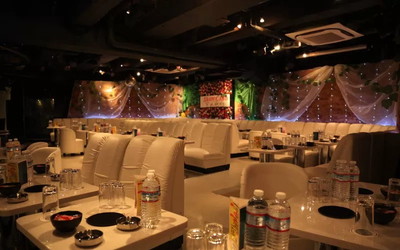
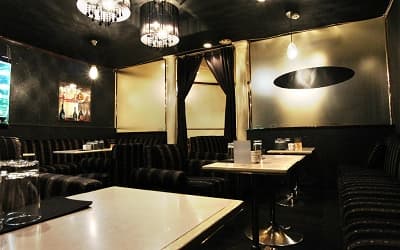
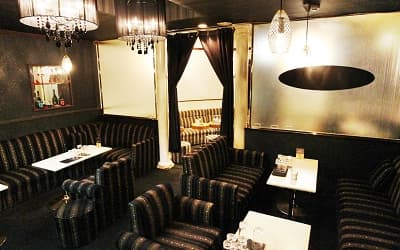
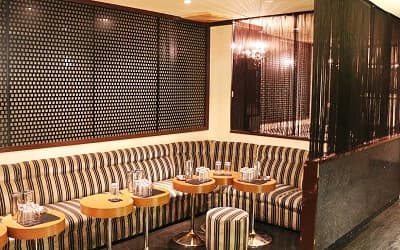
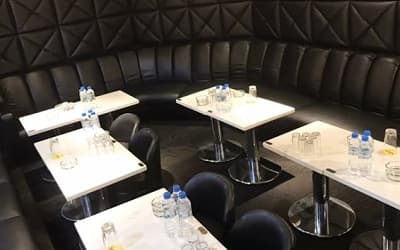
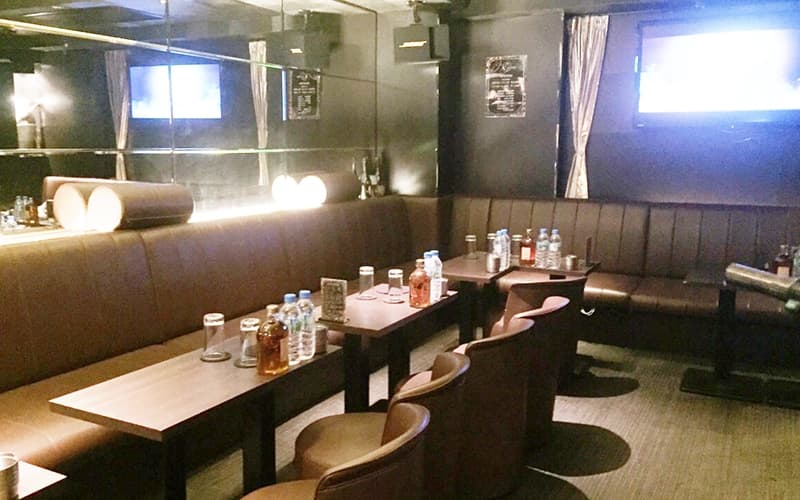
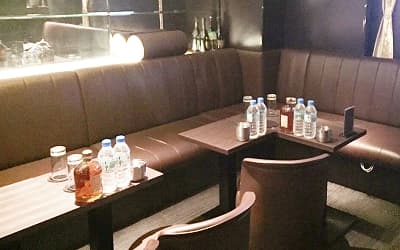
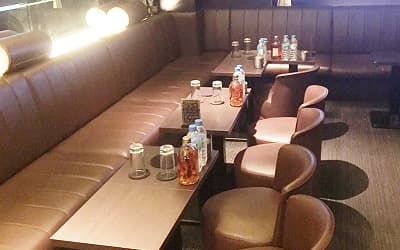
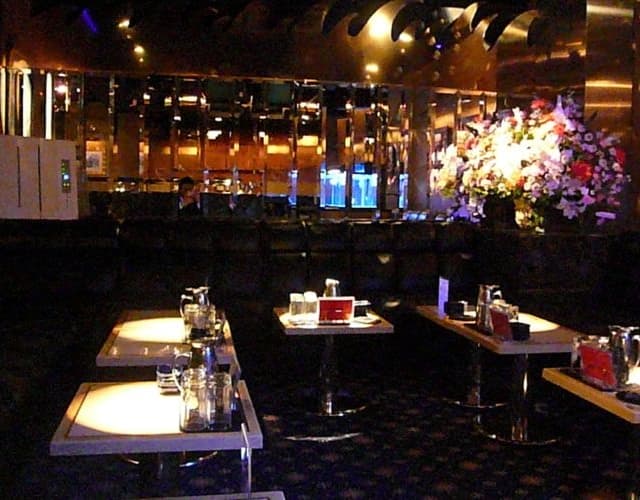
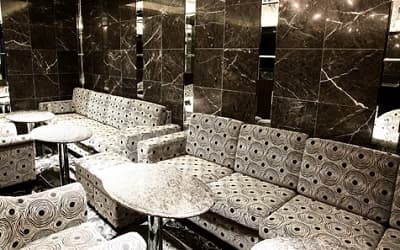
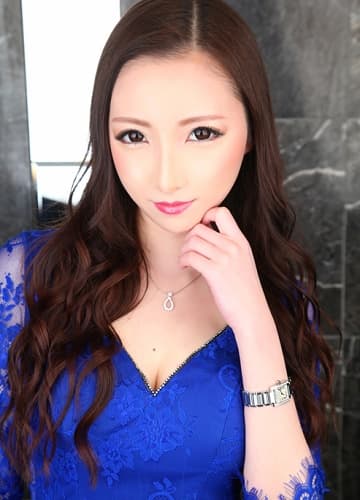
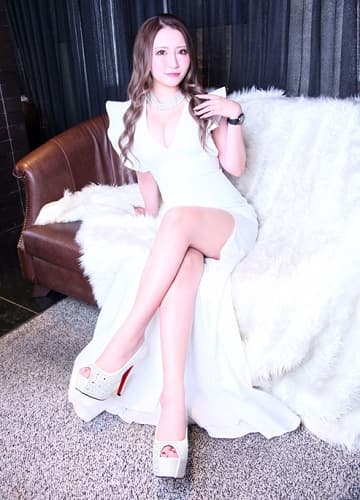
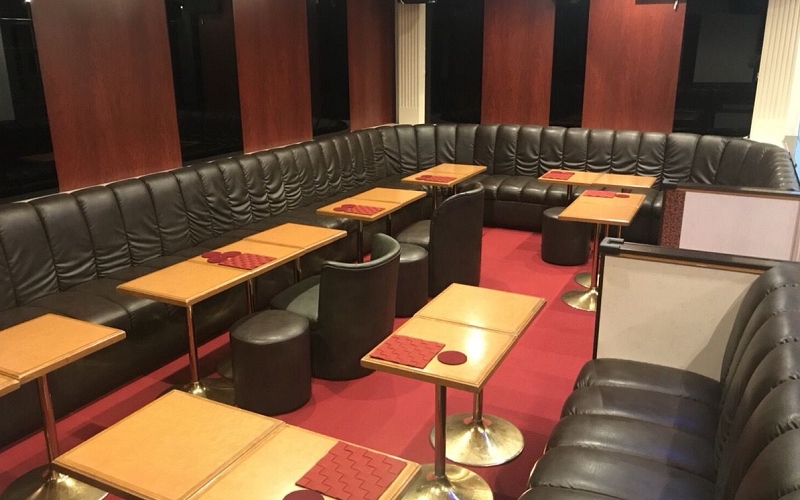
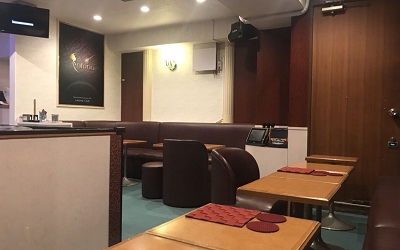
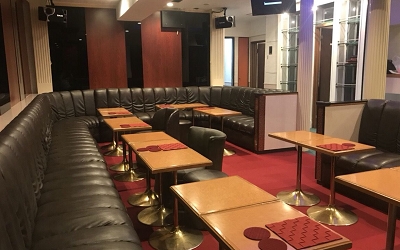
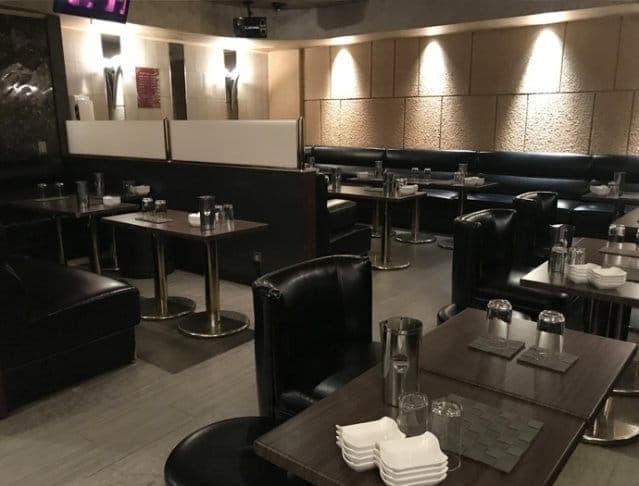
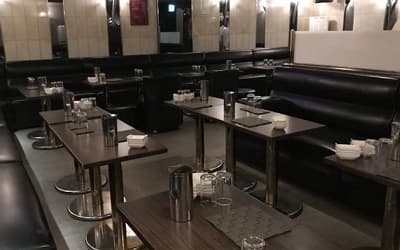
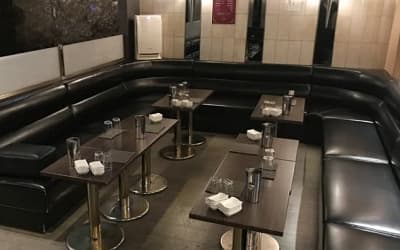
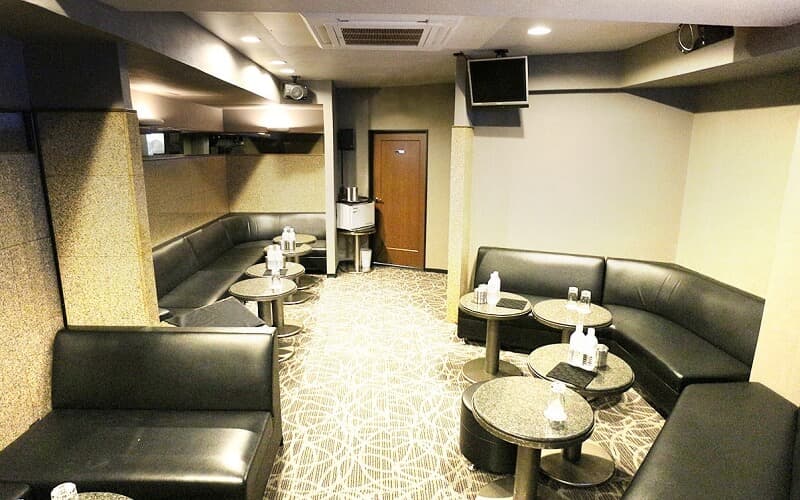
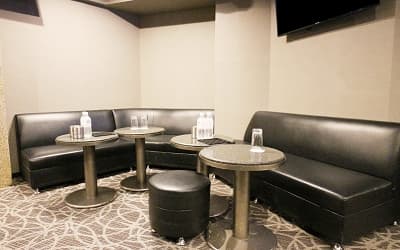
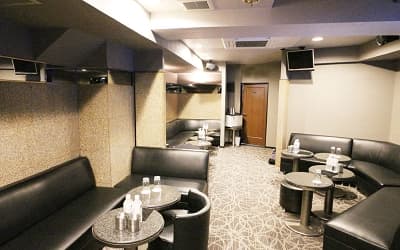
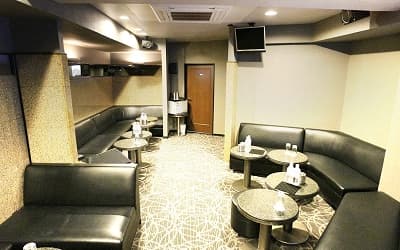
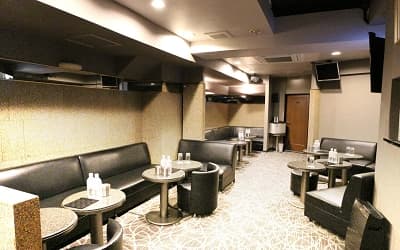
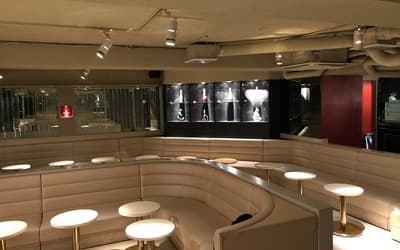
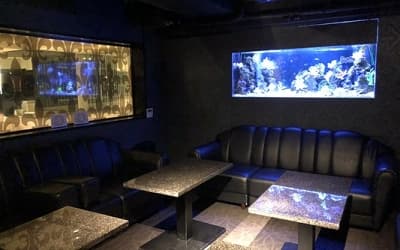
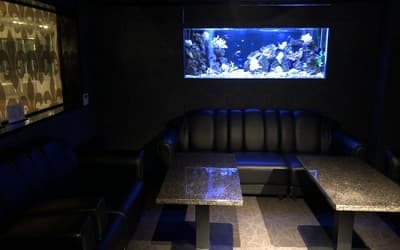
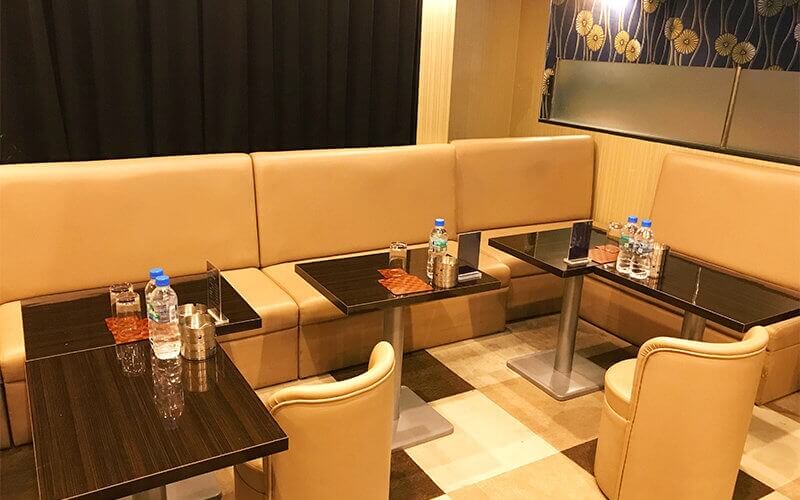
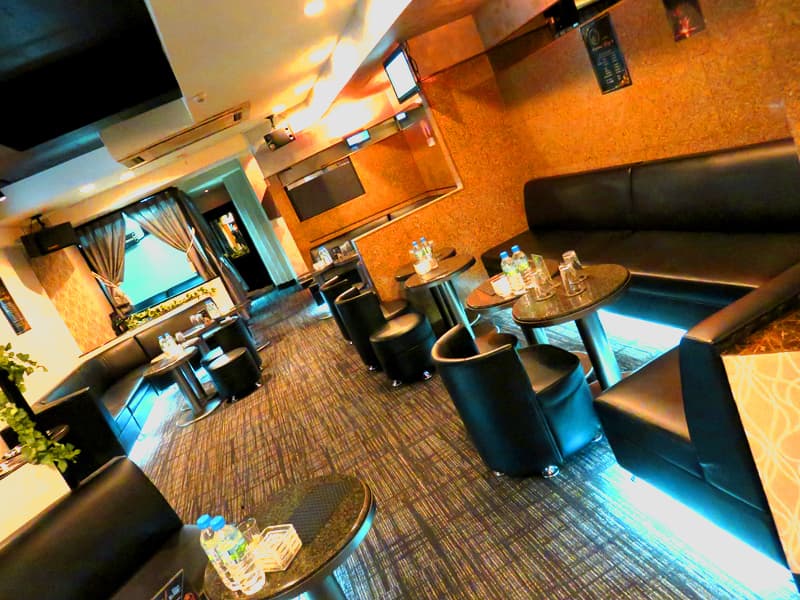
ゆったりできる空間で大人の夜をぜひ満喫!(CLUB HUMMER/ハマー) 池袋西口エリアでのキャバクラ選びに悩むあなたに自信を持ってご紹介するのが『CLUB HUMMER(ハマー)』です。同店といえば、リーズナブルながらもハイクオリティな夜遊びを楽しめるキャバクラとして多くの紳士達から支持を獲得中。店内は、黒を基調にハイセンスなデザインが施されており、居心地の良さ抜群。窮屈感とは無縁のフロアの中でゆったりとしたオトナの夜を過ごすことができます。また、同店では、池袋トップクラスの美女達があなたを非日常的なひと時へご案内。ルックスにこだわりたいあなたはもちろん、至福のサービスを求めるあなたも必ずや満足のゆくひと時を楽しむことができるでしょう。そんな同店をよりお得に利用するのであれば、20:00〜20:59までの時間帯が狙い目。1SET(60分)6,600円〜のお値打ち価格で過ごせるため、初めての方には特におすすめです。
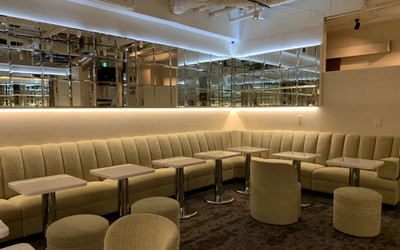
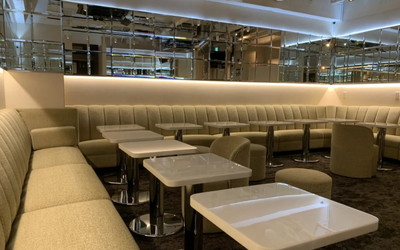
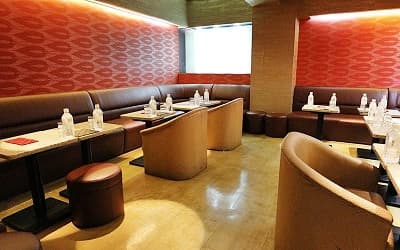
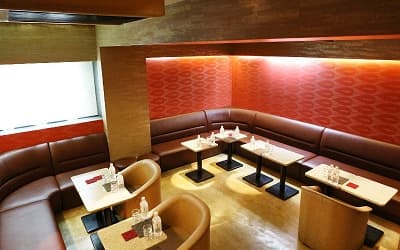
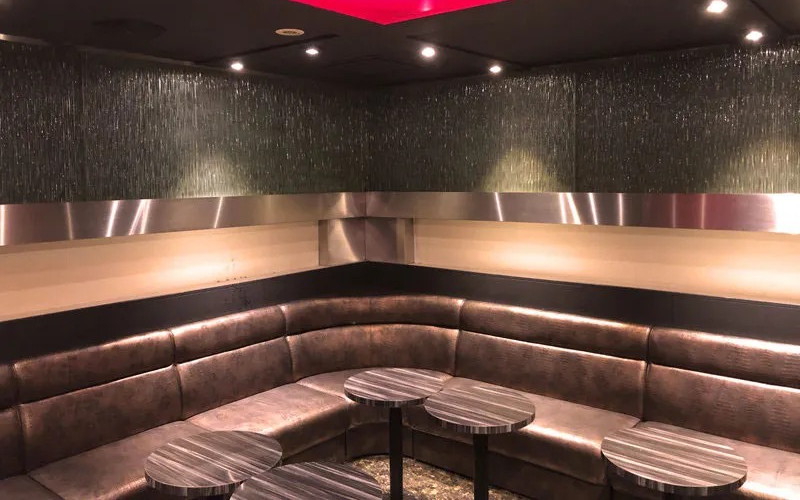
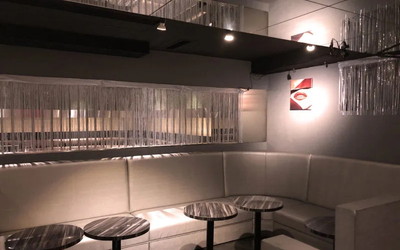
店内画像 店舗情報 店名: CLUB HUMMER1/ハマー 営業時間: 20:00〜LAST 電話番号: 03-6709-2180 住所: 東京都豊島区池袋2-8-2TYⅡビル 3F 定休日: 年中無休 公式HP: https://club-hummer.com/ アクセス: JR山手線 – 池袋駅 (北口) より徒歩3分
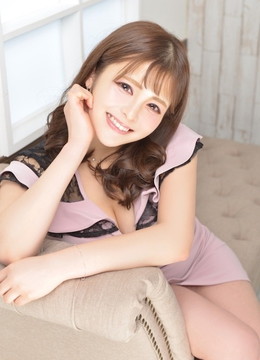
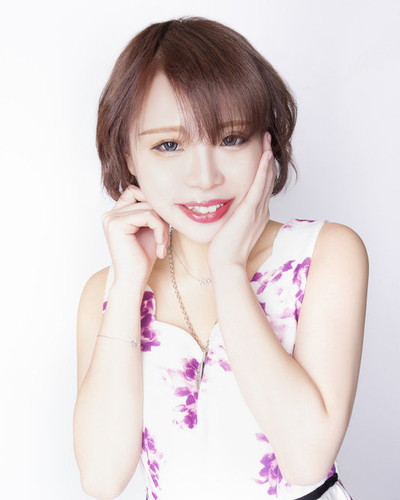
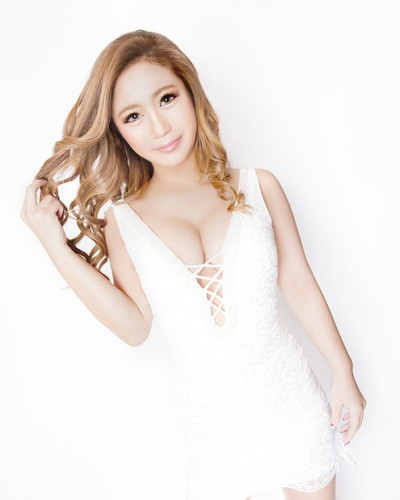
在籍キャスト 料金システム メイン (60分) [税込] 20:00 ~ 21:00 6,600円 21:00 ~ 22:00 7,700円 22:00 ~ LAST 8,800円 本指名 2,200円 同伴 4,400円 延長 30分 3,300円 税金・サービス料 [税] 10% [サ] 15%※税金のみ上記金額に含まれます
お店のSNS
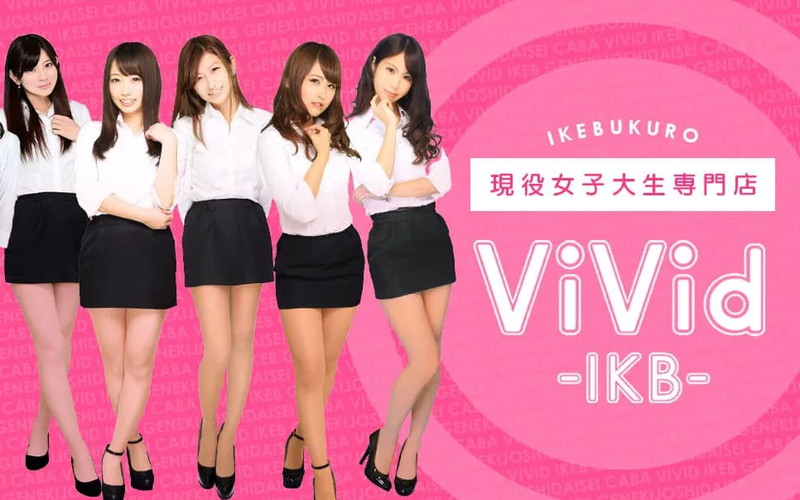
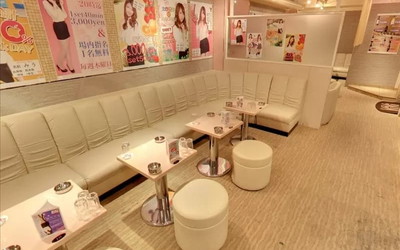
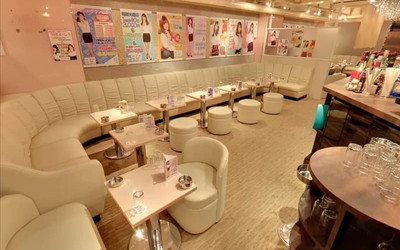
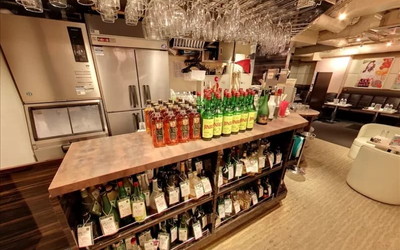
池袋でフレッシュ女子が集まる注目キャバクラ!(ViVid-IKB- /ヴィヴィッド) 池袋エリアで注目を集める『ViVid-IKB-(ヴィヴィッド)』のチェックはお済みでしょうか?同店は、フレッシュな魅力が満載の女の子達が多くの紳士達に癒しのひと時を提供。一歩店内へと足を踏み入れれば、白ワイシャツ&タイトな黒スカート姿のイマドキ女子達があちこちに。初々しさはもちろん、フレッシュ感満点の空間に思わずあなたも笑みが溢れることで必至です。「素人系キャストならではの可愛らしい反応を楽しんでみたい」「せっかくキャバクラに行くなら若くて綺麗な女の子と遊びたい!」こうした願望をお持ちのあなたにとってまさに打ってつけのキャバクラとなることでしょう。そんな同店をよりリーズナブルに楽しむのであれば17:30〜18:59までの入店がおすすめ。1SET(40分)4,400円〜のお得な料金で楽しむことができますよ。仕事終わりのリフレッシュとして是非どうぞ。
店内画像 店舗情報 店名: ViVid-IKB- /ヴィヴィッド 営業時間: 月~木:17:30〜0:00 電話番号: 03-3988-3504 住所: 東京都豊島区西池袋1-42-1 ファーストアベニュービル B1F 定休日: 年中無休 公式HP: https://viviblog.jp/ アクセス: JR山手線 – 池袋駅 (西口) より徒歩3分
料金システム メイン (40分) [税・サ込] 17:30 ~ 18:59 4,400円 19:00 ~ 19:59 5,500円 20:00 ~ LAST 6,600円 本指名 2,200円 場内指名 2,200円 延長(20分) 3,300円 VIP CHARGE(40分) 8,800円 VIP 延長料金(20分) 4,400円 税金・サービス料 [税] 10% ※税金・サービス料は上記金額に含まれます
心安らぐ池袋のオアシスで気分をリフレッシュ!(QTQ/キューティーキュー)
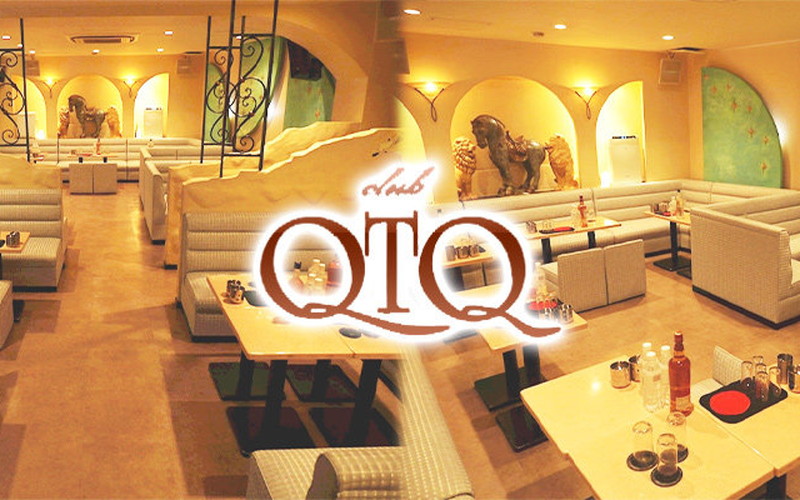
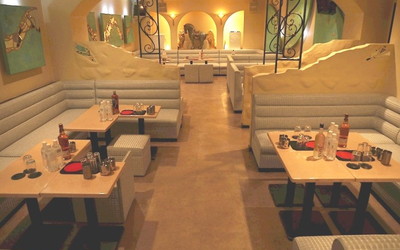
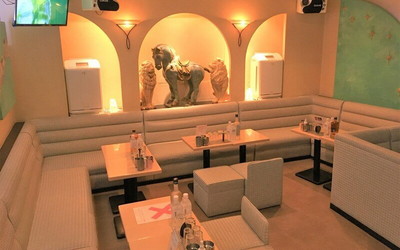
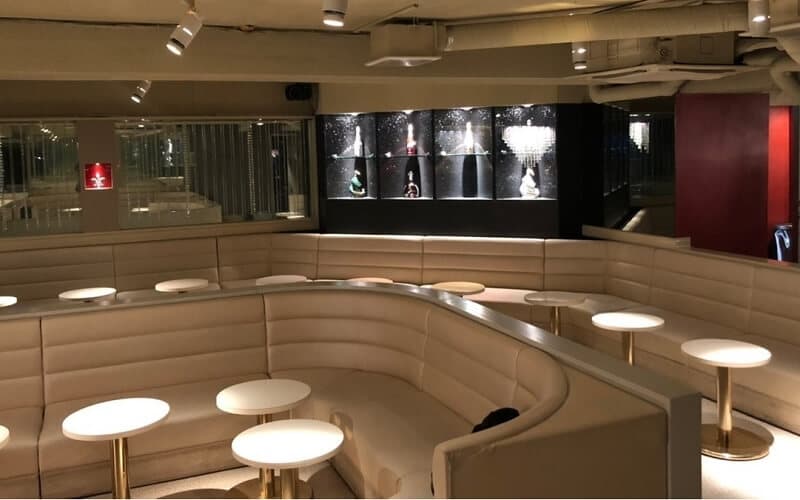
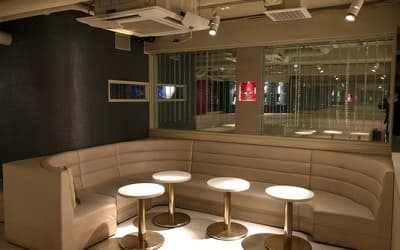
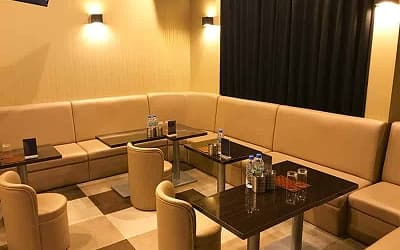
池袋に店舗を構える人気キャバクラといえば『QTQ(キューティーキュー)』。心安らぐオアシスと言える同店の魅力をご紹介します。同店は、JR山手線「池袋駅」から徒歩3分程の立地に店舗を構えておりアクセス抜群。多くの人々が行き交う街並みから一歩フロアへと足を踏み入れれば、ベージュを基調とした癒しの空間があなたの目の前に。ラグジュアリーな隠れ家で嗜むシャンパンは至福の一杯となることでしょう。そして、同店を語る上で欠かせないのは何といっても自慢のキャスト陣。清楚系、セクシー系、お姉様系、癒し系まで女の子達は個性派揃い。初めて同店を利用する方であっても必ずやお気に入りの女の子との出会いを楽しめることでしょう。そんな同店は、21:00〜LASTまで1SET(60分)8,000円の価格設定。美酒を片手に至極のひと時をお過ごしください。
店内画像 店舗情報 店名: QTQ/キューティーキュー 営業時間: 20:00~LAST 電話番号: 03-3971-8540 住所: 東京都豊島区東池袋1-13-10 第一坂田ビル2F 定休日: 日曜日・祝日 アクセス: 各線/池袋駅から徒歩3分
料金システム SET料金(60分) 20:00~20:59 ¥7,000 21:00~LAST ¥8,000
その他 指名料金 ¥2,000 場内指名料金 ¥2,000 延長料金(30分) ¥4,000 サービス料 20%
池袋エリアの注目キャバクラで夜を満喫!(bisser -ビゼ)
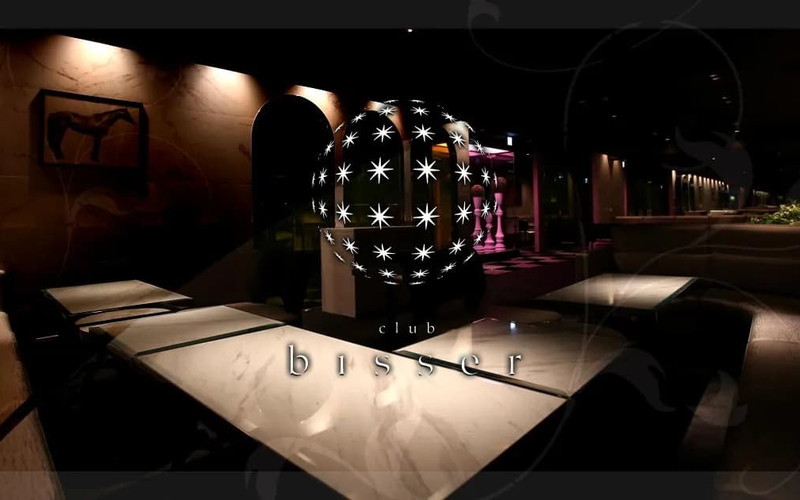
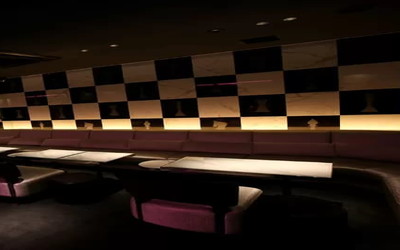
池袋エリアのキャバクラで夜遊びを存分に楽しみたい。そんなあなたに自信を持ってご紹介するのは「bisser – ビゼ」です。JR山手線「池袋駅」東口から徒歩3分ほど、サンシャイン中央通り近くに店舗を構える同店。店内は、ブラックとホワイトを基調とした格式の高いデザインが施されており、プライベートはもちろん、接待や商談などの大切なビジネスシーンでも安心して利用できる紳士達の社交場となっています。そして、同店といえばエリアトップクラスの実力を誇るキャスト達が多数在籍。芸能人やモデルにも劣らない清楚系女子から、セクシーな魅力が漂うグラマラス美女までまさに選り取り見取り。お気に入りのキャストとの出会いを楽しめることでしょう。19:00~20:59なら1SET(60分)6,600円で利用可能なので要チェックです!
店内画像 店舗情報
料金システム メイン (60分) [税込] 19:00 ~ 20:59 6,600円 21:00 ~ 21:59 8,800円 22:00 ~ LAST 9,900円 本指名 3,300円 場内指名 3,300円 同伴 3,300円 延長30分 4,400円 税金・サービス料 [税] 10% [サ] 25%
セミVIP (60分) [税込] 19:00 ~ 20:59 8,800円 21:00 ~ 21:59 11,000円 22:00 ~ LAST 12,100円 本指名 3,300円 場内指名 3,300円 同伴 3,300円 延長30分 5,500円 税金・サービス料 [税] 10% [サ] 25%
ロイヤルVIP (60分) [税込] ALL TIME 16,500 本指名 3,300円 場内指名 3,300円 同伴 3,300円 延長30分 7,700円 税金・サービス料 [税] 10% [サ] 30%
お店のSNS
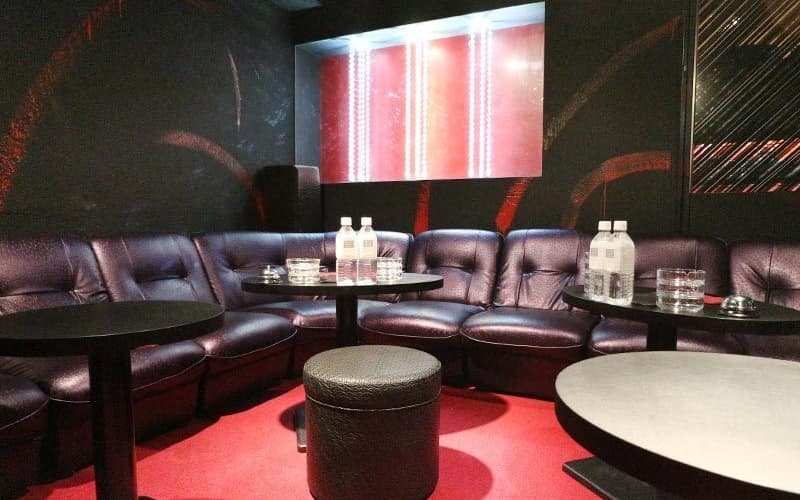
多くの紳士達から愛される池袋の必見キャバクラ!(club ZERO/ゼロ) 池袋駅西口エリアで紳士達に癒しを提供するキャバクラといえば「club ZERO – ゼロ」です。同店へのアクセスは、JR山手線「池袋駅」西口から徒歩5分程。ブラックとレッドを基調とした店内は、ややコンパクトながらも高級感が漂い居心地の良さが自慢。シャンパンを傾けながらゆったりとした時の流れや非日常的な癒しを感じることができますよ。そして、同店でのひと時に華を添えるのは、セクシー系、清楚系、ギャル系、お姉様系をはじめとした個性豊かなキャスト陣。ルックスの良さに加えて、サービス精神や接客力と三拍子が揃った実力派揃いの彼女達に、夜遊び上級者のあなたも思わず唸ることでしょう。「ガヤガヤとした大型店の空気が苦手で安心して飲めるお店を見つけたい」「洗練されたキャスト陣とお酒を嗜みたい…」そんなあなたにピッタリのキャバクラです。
店内画像 店舗情報 料金システム メイン (60分) [税・サ別] 20:00 ~ 21:00 6,000円 21:00 ~ 22:00 7,000円 22:00 ~ LAST 8,000円 本指名 2,000円 指名延長30分 1,000円 同伴 4,000円 延長 30分 3,000円 税金・サービス料 [税] 10% [サ] 14%
扉を開けば甘酸っぱい青春時代へタイムスリップ!(はちみつくろーばー/ハチミツクローバー)
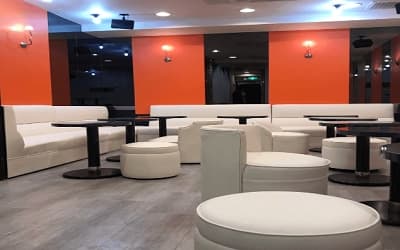
池袋エリアで甘酸っぱいひと時を提供するキャバクラ「はちみつくろーばー」のご紹介です。ホワイトを基調とした店内は、ややコンパクトながらも女の子達との程良い距離感が自慢。グラスを片手にワイワイとした楽しいひと時を過ごすことができますよ。そして、同店では、若く可愛いキャスト達があなたをおもてなし。そして、彼女達のコスチュームはチェックのミニスカートと白ブラウスと青春時代を彷彿とさせる学園風スタイル。扉を開けば一瞬であの頃のトキメキへとタイムスリップすることができますよ◎そんな同店では20:59までの時間帯であれば1SET(40分)5,500円〜と非常にリーズナブルな価格設定。フレッシュな子とお財布に優しくふれあいたい方は、早い時間帯からの利用がオススメです。日常に彩り欲しい時は、ぜひ同店をチェックしてみてください!
お店情報
営業時間 16:00〜LAST 所在地 東京都豊島区西池袋1-42-1 ファーストアベニュービル別館 1F アクセス 各線池袋駅より:徒歩4分 TEL 03-6709-6918
メイン (40分) [税・サ込]
OPEN ~ 20:59 5,500円 21:00 ~ LAST 6,600円 本指名 2,200円 場内指名 2,200円 延長(20分) 3,300円 延長方法 自動延長制 税金・サービス料 [税] 10% ※税金・サービス料は上記金額に含まれます
VIP (40分) [税・サ込]
ALL TIME 8,800円 本指名 2,200円 場内指名 2,200円 延長(20分) 4,400円 延長方法 自動延長制 税金・サービス料 [税] 10% ※税金・サービス料は上記金額に含まれます
店内Gallery キャストGallery アクセスマップ
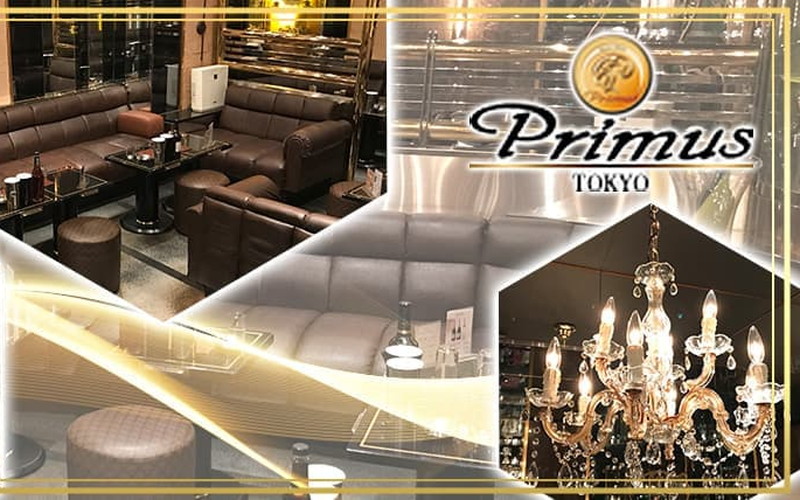
池袋エリア屈指の名キャバクラといえばコチラ(Primus/プリームス) 池袋エリアで屈指の人気を誇るキャバクラといえば「Primus(プリームス)」。今回は、同店の魅力についてフォーカスしていきましょう。同店は、JR「池袋駅」北口からすぐ側の立地に店舗を構えており、アクセス抜群。仕事終わりのオアシスとしての利用はもちろんのこと、終電前のもう1軒など幅広いシーンに合わせて利用することができます。店内は、ゴールドを基調としたラグジュアリーなフロアが広がっており、居心地の良さが自慢。ワンランク上の夜を過ごしたい一流の紳士達の社交場として愛され続けています。そんな同店で活躍するのは、エレガントなビジュアルが自慢の厳選美女達。間違いなしのルックスを誇る女の子が多数在籍しているため、あなた好みのキャストと甘いひと時を楽しめること請け合いです。池袋エリアでのキャバクラ選びに悩まれている方は是非一度遊びに行ってみてくださいね。
お店情報 営業時間 20時~25時 所在地 東京都豊島区西池袋1-28-6 大和産業ビル2F アクセス 「池袋駅」より徒歩1分 TEL 03-5956-3721
SET料金
20:00~20:59 7,700円(1時間) 21:00~25:00 9,900円(1時間) V・I・Pチャージ 5,500円
その他
指名料金 3,300円 場内指名料金 2,200円 同伴料金 2,200円 サービス料 サービス料金10% 延長料金 4,400円(30分) V・I・P延長料金 5,500円(30分)
店内Gallery キャストGallery アクセスマップ
華やかさ満点のエンターテイメントショークラブ!(PHOENIX/フェニックス) 圧倒的な存在感と華やかさにウットリ!今回ご紹介するキャバクラ「PHOENIX(フェニックス)」は、池袋エリアでも指折りのエンターテイメントショークラブ。同店は、サンシャイン通り近くに店舗を構えており、JR「池袋駅」東口からは徒歩5分程の場所にあります。店内は、ブラックを基調としたハイクラスなフロアが広がっており、気分はまるでVIP。グラスを傾ければ、池袋ならではの刺激的な夜を楽しめること請け合いです。そんな同店であなたに至福のひと時を演出するのは、選りすぐりの美女軍団。端正なお顔立ちが自慢のOL系キャストはもちろん、モデル顔負けのセクシー系美女まで様々なキャストが在籍しており、魅惑のショータイムに思わずあなたも心を奪われてしまうことでしょう。そんな同店へ足を向けるのであれば、19:00〜19:59までの時間帯がオススメ。1SET(60分)6,600円〜とコスパよく極上のひと時を過ごすことができますよ。
お店情報 営業時間 19:00〜LAST 所在地 東京都豊島区東池袋1-15-5 東洋興業ビル 1F アクセス 池袋駅より徒歩3分 TEL 03-3987-5341
メイン (60分) [税込]
19:00 ~ 19:59 6,600円 20:00 ~ 20:59 7,700円 21:00 ~ LAST 8,800円 本指名 3,500円 場内指名 2,750円 延長 30分 4,950円 税金・サービス料 [税] 10% [サ] 20%
VIP (60分) [税込]
ALL TIME 8,800円 本指名 3,500円 場内指名 2,750円 延長 30分 5,500円 税金・サービス料 [税] 10% [サ] 25%
店内Gallery キャストGallery アクセスマップ
池袋西口エリア屈指の高級キャバクラをぜひ堪能!(Juliet/ジュリエット) 池袋西口エリアの夜を盛り上げる高級キャバクラといえば「Juliet(ジュリエット)」!連日連夜多くの紳士達で賑わいを見せる同店へと今回はフォーカスしていきましょう◎同店は、JR「池袋駅」西口から徒歩3分程と好アクセスな立地にあります。店内は、シックな雰囲気が漂うお洒落な空間。広々したフロアが広がっているため、肩肘を張ることなくゆったりとしたひと時を過ごすことができますよ!そして、あなたをおもてなしするのは、20代〜30代までの厳選された美女軍団。ルックスの良さはもちろん、サービス力やノリの良さも随一であるため、極上のキャバクラ遊びを味わえること請け合いです。ビジュアルもスタイルも高レベルな女性揃いで、理想のお相手がきっと見つかることでしょう。少しでも気になる方は是非同店へ。エリア屈指の刺激的な夜と共にパーっとお酒を楽しんじゃいましょう!
お店情報 営業時間 20:00〜LAST 所在地 東京都豊島区池袋2-8-3 田中ビル 3F アクセス 池袋駅より徒歩2分 TEL 03-6907-3811
メイン:セット料金 (60分) [税込]
20:00 ~ 20:59 5,500円 21:00 ~ LAST 7,700円 本指名 3,300円 場内指名 3,300円 延長(30分) 3,850円 延長(60分) 7,700円 税金・サービス料 [税] 10% [サ] 20%
店内Gallery キャストGallery アクセスマップ 公式SNS
池袋トップクラスの優良キャバクラでひと遊び!(Red Shoes/レッドシューズ) 多くのキャバクラで賑わう池袋エリア。外せない自分だけのオアシスを見つけたいという方にオススメするのは、『Red Shoes(レッドシューズ)』です。店内は、ブラックを基調とした高級感溢れる雰囲気。こだわりのデザインが施されたフロアの中、非日常的な大人のひと時を楽しむことができます。そして、煌びやかな夜を彩るのは同店自慢のキャスト陣。モデル顔負けのルックスが自慢の清楚系、今が旬のギャル系・フレッシュ系、落ち着いた雰囲気と妖艶な魅力が自慢のお姉様系まで、様々なタイプのキャスト達が在籍。エリアトップクラスの美女達が演出する至福のひと時に心を奪われること間違いなしです。そんな同店には、JR池袋駅東口から徒歩3分程でアクセスが可能。仕事終わりの自分へのご褒美はもちろん、大切なビジネスシーン、終電前のもう1軒など、様々な用途に合わせて安心して利用できますよ。
お店情報 営業時間 20:00〜LAST 所在地 東京都豊島区東池袋1-4-2 三経33ビル 4F アクセス 池袋駅より徒歩1分 TEL 03-6915-2192
VISITOR (60分) [税込]
20:00 ~ 20:59 6,600円 21:00 ~ 21:59 8,800円 22:00 ~ LAST 9,900円 本指名 3,300円 場内指名 3,300円 同伴 5,500円 延長 30分 4,400円 税金・サービス料 [税] 10% [サ] 25%
MEMBER (60分) [税込]
20:00 ~ 20:59 5,500円 21:00 ~ 21:59 7,700円 22:00 ~ LAST 8,800円 本指名 3,300円 場内指名 3,300円 同伴 5,500円 延長 30分 3,900円 税金・サービス料 [税] 10% [サ] 25%
SWEET ROOMご利用料金 (60分) [税込]
ALL TIME 16,500円 延長 30分 5,500円 税金・サービス料 [税] 10% [サ] 25%
SWEET ROOM貸切料金(ルームチャージ)
3名様以上2時間 5,500円/お一人様 2名様以内2時間 11,000円/お一人様
店内Gallery キャストGallery アクセスマップ 公式SNS
池袋エリアの隠れ家的キャバクラで至福のひと時を満喫!(Club Diana/ディアナ)
今回は池袋エリアの知る人ぞ知る隠れ家的キャバクラ、「Club Diana(ディアナ)」についてご紹介します!同店は、池袋駅西口から徒歩5分程の立地に店舗を構えています。扉を開くと、白とブラウンを基調としたフロアがあなたをお出迎え。ややコンパクトながらも高級感溢れる雰囲気で、キャスト陣との適度な距離感でおしゃべりを楽しむことができますよ!そして、同店では、紳士方の要望に応え得る厳選キャストがズラリ。若くて元気いっぱいの女の子から、落ち着いた印象の大人のお姉様まで幅広いタイプの女性が在籍しているため、あなたの好みにフィットする方も見つかることでしょう。日々を頑張る自身へのご褒美として普段使いしたり、大切な接待の際にも安心して利用したりすることもできる「Club Diana(ディアナ)」。池袋エリアにお越しの際は是非遊びに行ってみてくださいね!
お店情報 営業時間 17:00~LAST 所在地 東京都豊島区池袋2-4-3 徳永第5ビル2F アクセス 各線「池袋駅」西口より徒歩5分 TEL 03-6914-2919
セット料金
店内Gallery キャストGallery アクセスマップ
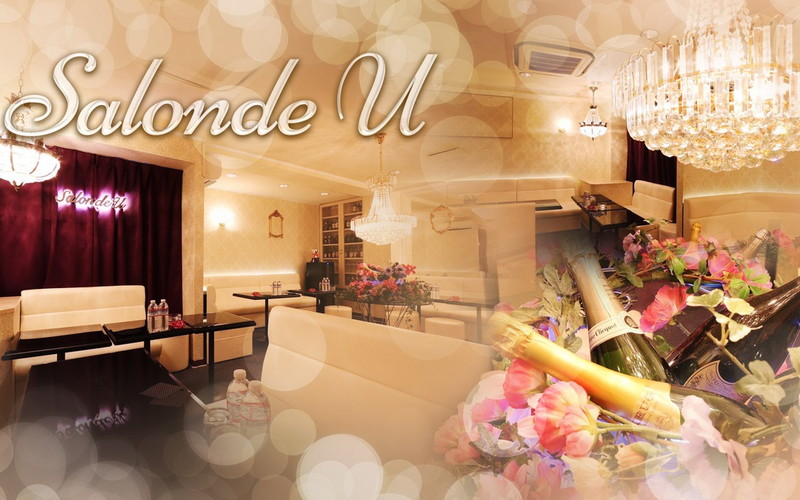
■店舗 あなただけの隠れ家的キャバクラが池袋に(Salon de U/サロンドユー) 「池袋エリアでゆったりとした夜を過ごしたい」。「都会の喧騒を忘れることができる隠れ家的キャバクラを見つけたい」。そんなあなたにピッタリのお店が「Salon de U(サロンドユー)」です。池袋駅西口から徒歩5分程の立地に店舗を構える同店は、飽きのこない大人達の社交場がコンセプト。店内は、白を基調とした洗練された雰囲気で、煌びやかなシャンデリアやこだわり抜かれた調度品が上質なひと時を演出します。そして、一流の紳士達をおもてなしするのは、ハイクオリティなキャスト陣。多くの実力派キャストが集う同エリアでも最高峰の女の子達が集結しているため、充実したひと時を過ごすことができます。そんな同店は、20:30〜LASTまで1SET(60分)8,300円〜というリーズナブルな値段で利用することが可能。お手頃価格で心ゆく迄オトナの夜を楽しめるキャバクラです!
お店情報 営業時間 20:30〜1:00 所在地 東京都豊島区西池袋3-30-2 フェリース6F アクセス 池袋駅西口より徒歩5分 TEL 03-5927-8220
料金システム(お一人様60分間)
20:30~LAST 8,300円 延長料金 3,800円(30分毎) 本指名料 2,500円 消費税 8% サービス料 10% スマートスタイル 10%割引(10円未満切り捨て)
店内Gallery キャストGallery アクセスマップ 公式SNS
個性豊かな美女達が豪華空間であなたを待つ!(Angel Feather/エンジェルフェザー)
ラグジュアリー感あふれる空間で極上美女とともに存分に語り合う。そんな至福の時間を『Angel Feather(エンジェルフェザー)』で過ごしてみてはいかがでしょう。随所に趣向が凝らされた、高級感あふれる店内が実に印象的な同店。絢爛豪華な装飾をはじめ、優しい色合いで統一されたモダンな調度品の数々、煌びやかな室内照明など、ワンランク上の贅沢な環境が用意されています!加えて、出会える女性陣は折り紙付きの美しさを持つキャストばかり。豊かな美貌や麗しいシルエットなど、ハイスペックな特徴を複数有する美女達が待ち受けています!モデル系や清楚系、可愛い系など、彼女達のタイプもよりどりみどり。様々な男性のニーズにも対応できるような充実したラインナップです。池袋でキャバクラ選びに悩んだ時は、ぜひ一度こちらのお店に足を向けてみてくださいね。
お店情報 営業時間 19:00〜LAST 所在地 東京都豊島区東池袋1-4-2 三経33ビル 1F アクセス 池袋駅より徒歩3分 TEL 03-5985-7730
メイン (60分) [税込]
19:00 ~ 20:59 6,600円 21:00 ~ 21:59 8,800円 22:00 ~ LAST 9,900円 本指名 3,300円 場内指名 3,300円 同伴 3,300円 延長 30分 4,400円 税金・サービス料 [税] 10% [サ] 25% ※税金のみ上記金額に含まれます
ロイヤルVIP個室 (60分) [税込]
ALL TIME 16,500円 本指名 3,300円 場内指名 3,300円 同伴 3,300円 延長 30分 7,700円 貸切 27,500円 税金・サービス料 [税] 10% [サ] 30% ※税金のみ上記金額に含まれます
店内Gallery キャストGallery 出典:きゃばきゃば
アクセスマップ
公式SNS
池袋で楽しく飲むならここ!素人系キャストが多数在籍!(SEASONS-NEO/シーズンズネオ)
キャバクラ激戦区である池袋でも、ひと際と輝いているキャバクラが『シーズンズネオ』です。圧倒的な知名度と人気を誇り、連日多くのお客さんで賑わいを見せています。お店は地下にあるため、都会の喧騒をシャットアウトして、女の子との会話にだけ集中できる環境。黒を基調としたシックな内装が、落ち着いた大人の雰囲気を演出しています。在籍しているキャストは、20代前半を中心とした、若さ溢れる女の子ばかり。大学生やOLといった素人系の女の子も多く在籍しているので、飽きずに楽しむことができますよ。また、こちらのお店ではVIPシートも用意してあるため、お気に入りのキャストと特別な時間を過ごすことも可能です。池袋で間違いない楽しい時間を過ごしたい方は、ぜひ『シーズンズネオ』を訪れてみてください。どんな男性でもきっと満足できるでしょう。
お店情報 営業時間 21:00〜LAST 所在地 東京都豊島区池袋2-5-1 徳永第2ビルB1 アクセス 池袋駅西口C6出口より30秒 TEL 03-6915-2530
【セット料金(60分)】
21:00~LAST ¥6000 延長料金 ¥3600(30分)¥6000(60分)
【VIP料金(60分)】
21:00~LAST ¥10000 延長料金 ¥6000(30分)¥10000(60分)
【EXCELLENT VIP料金(60分)】
21:00~LAST ¥15000 延長料金 ¥8600(30分)¥15000(60分)
店内Gallery キャストGallery アクセスマップ
公式SNS
セクシーなOL姿の女性達があなたをお出迎え!(Vivienne/ヴィヴィアン)
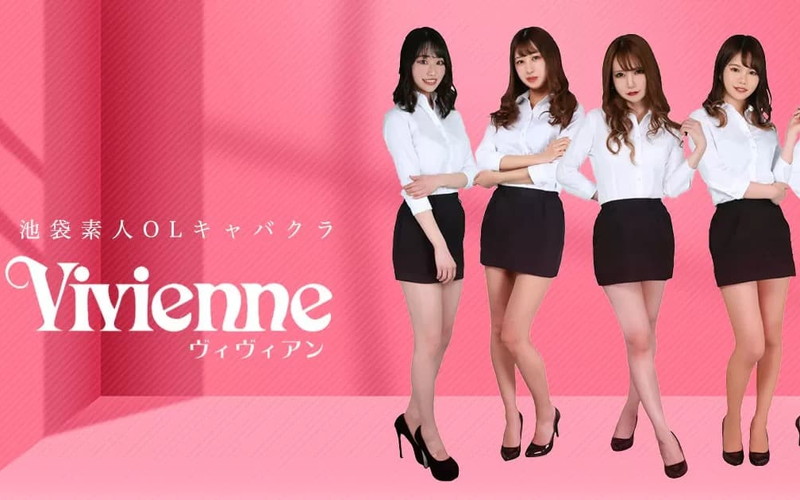
『Vivienne – ヴィヴィアン』は、まさしく楽園と呼んでも過言ではありません!こちらのお店の女の子達は、セクシーな制服姿であなたをお出迎え。真っ白のブラウスにタイトスカートという、オフィススタイルの衣装が非常に魅力的です!また、彼女達のほとんどが、素人出身の女性達。ぎこちないながらも初々しいおもてなしに、あなたの気分も大いに高まることでしょう。そして、キャスト陣は個性豊かなラインナップ。可愛い系をはじめ、綺麗系、お姉さん系など、バラエティに富んだ女性達が在籍しています。あなたの好みにハマる女の子も見つかること請け合い。ぜひ様々なキャストと遊んで、お気に入りの一名を探してみてくださいね。池袋東口から徒歩5分ほどという好アクセスなので、お仕事終わりのリフレッシュの場にしてみるのも吉です!池袋のキャバクラ選びで迷ったら、ぜひチェックしてみてください。
お店情報 営業時間 月~木18:00~24:00 所在地 東京都豊島区東池袋1-28-6 パールシティビルB1 アクセス 池袋東口から徒歩5分 TEL 03-5979-9885
1SET40分
OPEN~17:59 4,000円(税込4,400円) 18:00~19:59 5,000円(税込5,500円) 20:00~LAST 6,000円(税込6,600円) 延長料金(20分) 3,000円(税込3,300円)
その他
同伴料金 2,000円(税込2,200円) 本指名料金 2,000円(税込2,200円) 場内指名料金 2,000円(税込2,200円) サービス料金 0%
店内Gallery キャストGallery アクセスマップ
公式SNS
穏やかな雰囲気が広がる環境で気分をリフレッシュ!(M’s/エムズ)
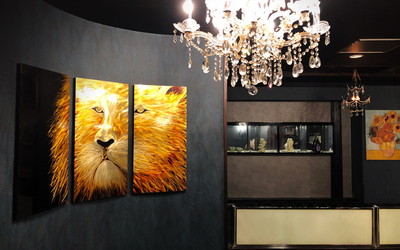
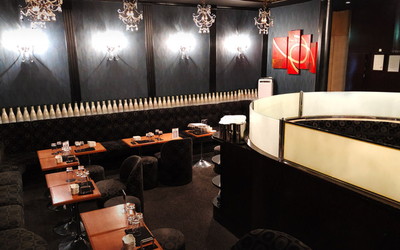
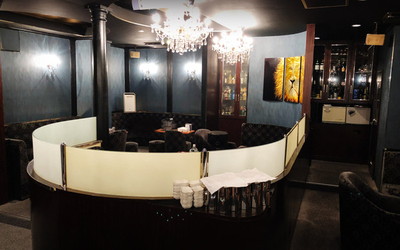
忙しい日常を忘れられる場を求めている男性は、池袋のキャバクラ『M’s(エムズ)』をぜひチェックしてみてください。お店の中に入ると広がっているのは、モダンなテイストで彩られた優雅な空間。落ち着いた色彩で統一された内装をはじめ、クラシック調の調度品の数々など、シックな雰囲気の店内が印象的です。老舗ホテルのラウンジを思い起こさせるような、心地よく過ごせる環境と言えるでしょう。また、同店であなたの到着を待っているのは、20代を中心としたフレッシュな女の子達。彼女達の明るく元気な接客に、気分も大いにリフレッシュすること間違いなしです!穏やかな空気が流れる店内で、女の子とじっくりトークを楽しむ。そんな至福のひと時を過ごしてみるのも一興ですよ!ブランデーをはじめとしたお酒も用意されているので、酒好きな方は嗜んでみるのもおすすめ!
お店情報 営業時間 20:00〜LAST 所在地 東京都豊島区池袋2-5-9 曙ビル1F アクセス JR線/私鉄各線 「池袋」駅西口より徒歩3分 TEL 03-5067-1679
SET料金1set (60分)
20:00~20:59 ¥6,000 21:00~LAST ¥8,000
その他
同伴料 ¥6000 指名料 ¥3000 場内指名料 ¥3000 延長料金 30分 ¥4000
店内Gallery キャストGallery アクセスマップ
池袋の喧騒を忘れられるひと時をこのお店で!(Club Lupan/ルパン)
各線「池袋駅」から徒歩圏内という好アクセスを誇るキャバクラ、『Club Lupan(ルパン)』を紹介していきましょう!扉を開けると広がっているのは、落ち着いた色彩で統一されたオシャレな空間。池袋の賑わいから一歩離れ、穏やかなひと時を過ごせる環境が用意されています!加えて、同店であなたを待ち受けているのは、ルックス、スタイル共にハイレベルな極上美女達。麗しい顔立ちをはじめ、シャープなウエストなど、ビジュアルもシルエットも申し分ないキャスト陣が揃っています。そんな美人達とトークやお酒を嗜めば、気分も大いに高まること間違いなし。忙しい日常を彩る時間をお求めの際は、ぜひとも訪れたいキャバクラと言えるでしょう。また、同店はリーズナブルな料金帯も注目ポイント。20:00~20:59であれば、1SET(60分)6.600円で利用することができるんです。駅からほど近いアクセスの良さも相まって、仕事帰りに同店を訪れてみるのもおすすめ!
お店情報 営業時間 20:00~LAST 所在地 東京都豊島区池袋2丁目8番2号 TY2ビル3F アクセス 池袋駅より徒歩2分 TEL 03-6914-1717
1セット料金(60分)
20:00~ 6,600円 21:00~ 7,700円 22:00~LAST 8,800円 延長料金(30分) 1,100円
その他・オプション料金等
本指名 2,200円 延長指名(30分) 1,100円 同伴料 4,400円 カード手数料 10% 税金・サービス料 10%
店内Gallery アクセスマップ
利用者の口コミ 職場が池袋なのでよく利用してます。お店が駅から近いので終電ギリギリまで遊べて便利。
穏やかな雰囲気の中で美女と過ごす充実した時間!(club Believe/ビリーヴ)
池袋の賑やかさから一歩離れ、ゆったりとした時間を過ごせるキャバクラ『club Believe – ビリーヴ』をフォーカスしていきましょう。お店の中に入ると、グレートーンを基調としたシックな空間が目の前に。壁面にはオシャレなインテリアが飾られていて、実にスタイリッシュです。そんな落ち着いた環境であなたを迎えてくれるのは、見目麗しい美人キャスト達。シルエットもビジュアルもレベルの高い女性達が、華やかなドレス姿でおもてなししてくれますよ。穏やかな雰囲気の中で美しいキャストと過ごすひと時は、日常とは一味違う気分にさせてくれること請け合い。焼酎をはじめとするお酒も各種用意されていて、美女と共に美酒を嗜んでみるのもおすすめです。JR各線「池袋」駅から徒歩約3分という好アクセスなので、仕事終わりの息抜きの場に利用してみてはいかがでしょう。
お店情報 営業時間 20:00〜LAST 所在地 東京都豊島区池袋2-12-13十二ビル B1F アクセス 池袋駅 (西口) より徒歩3分 TEL 03-6812-1608
メイン (60分) [税・サ別]
20:00 ~ 21:00 6,000円 21:00 ~ 22:00 7,000円 22:00 ~ LAST 8,000円 本指名 2,000円 指名延長30分 1,000円 同伴 4,000円 延長 30分 3,000円 税金・サービス料 [税] 10% [サ] 15% ※税金・サービス料は上記金額に含まれません
VIP (60分) [税・サ別]
ALL TIME 10,000円 延長 30分 5,000円 税金・サービス料 [税] 10% [サ] 25% ※税金・サービス料は上記金額に含まれません
店内Gallery キャストGallery 出典:CLUB BELIEVE【池袋】
アクセスマップ
圧巻のキャスト在籍数&華やかなショーにもご注目!(タロ)
池袋のキャバクラでもトップクラスのキャスト在籍数を誇る、『タロ』をご紹介していきましょう。同店の大きな特徴が、充実したラインナップを抱える女性陣。愛嬌たっぷりな可愛い系をはじめ、ボーイッシュなクール系、メリハリボディが目を惹く綺麗系など、色とりどりの個性の持ち主が勢ぞろいしています!好みにピッタリな子を選ぶも良し、少し違ったジャンルの子にチャレンジするも良し。思わず選ぶのに迷ってしまうほど、バラエティに富んだメンバー揃いです!そして、美女達による優雅なショータイムも見逃せないポイント!1日2回行われるショーでは、美人キャストが各種パフォーマンスを披露してくれます。煌びやかな店内の雰囲気も相まって、プレミアムな気分を味わえること間違いなし!ぜひ訪れるタイミングを合わせて、美女による華やかなショーをご覧になってみてくださいね。
お店情報 営業時間 19:30〜LAST 所在地 東京都豊島区西池袋1-41-8グランド東京ビル B1F アクセス 池袋駅より徒歩3分 TEL 03-3986-7288
メール会員優待 (90分) [税・サ込]
19:30 ~ 20:30 7,800円※本指名料込み
メイン (60分) [税・サ込]
19:30 ~ 20:00 11,900円 20:00 ~ 01:00 14,900円※本指料込み 延長 30分 6,000円
店内Gallery キャストGallery アクセスマップ
公式SNS
さまざまなタイプの女の子に会える!池袋で大人な世界を満喫(Y’s/ワイズ)
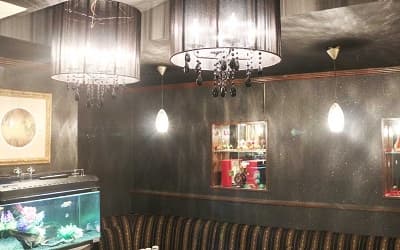
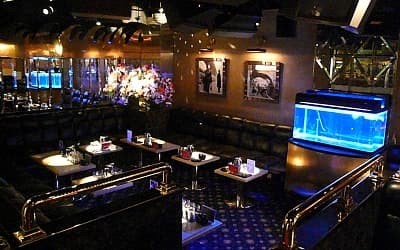
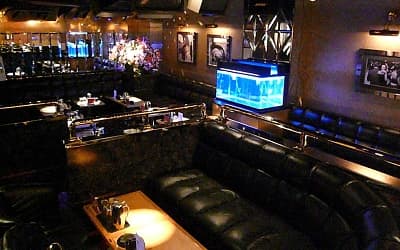
「池袋で大人な遊びがしたい」そんな方は『Y’s(ワイズ)』はいかがでしょうか?こちらのキャバクラはグレーの熱帯魚が泳ぐ水槽が自慢で、落ち着いた雰囲気が魅力的です。グレーを基調とした高級感ある店内もポイント!大人な時間を過ごすのにピッタリな空間なので、日常を忘れて楽しめることでしょう。そんなY’sに在籍するキャストのビジュアルレベルは高いのが特徴!キレイなお姉さんや、スレンダーボディが魅力な子、世話を焼いてしまうような素人系など、さまざまなキャストが勢ぞろいしています。いろんなタイプの女の子と会えるため、あなたのお気に入りのキャストが見つかること間違いありません。池袋駅西口から徒歩5分程度の場所に位置するお店なので、2軒目、3軒目などの利用がしやすいんです。「まだまだ飲み足りない!」「女の子と話したい」そんなときにこそ利用してみてくださいね。
お店情報 営業時間 20:00~LAST 所在地 東京都豊島区池袋2-41-2 葉山ビル4F アクセス 池袋駅西口より徒歩5分 TEL 03-6914-2973
1セット料金
20:00~20:59 6,000円 21:00~LAST 8,000円 延長料金(30分) 4,000円 税金・サービス料 25%
VIP 1セット料金
ALL TIME 12,000円 延長料金(30分) 6,000円 税金・サービス料 35%
その他・オプション料金等
本指名料 3,000円 場内指名料 3,000円 同伴指名 6,000円
店内Gallery アクセスマップ
利用者の口コミ いつも接待する側なので、接待される側として楽しんでます。気を使わないで女の子と飲めるって最高ですね!
「池袋でワイワイ飲みたい!」そんなあなたにピッタリ(Club Justin/ジャスティン)
キャバクラ激戦区として知られる池袋で人気を誇っている『Club Justin(ジャスティン)』!こちらのお店は、20代前半のイケイケな女の子が勢ぞろいしています。街中ではなかなか見かけないような美女ばかりでノリの良い子がほとんど!かわいくて話しやすい女の子が楽しい雰囲気を作ってくれるため、何度も通いたくなること間違いありません。そして店内の観葉植物や大理石風の床が高級感を演出!さらに照明は明るめなので、非常に安心感があります。広々とした店内なので団体での利用も可能です。盛り上がりには自信があるとのことなので、ワイワイ飲みたいときにはオススメ!日頃のうっぷんが晴らせるくらい楽しめること間違いなしですよ。池袋でキャバクラ遊びがしたいときには外せないお店なため、絶対チェックしてくださいね。
お店情報 営業時間 20:00~LAST 所在地 東京都豊島区池袋2-7-5 第三川口ビルB1F アクセス 池袋駅西口より徒歩3分 TEL 03-5927-9221
1セット料金(60分)
20:00~20:59 5,000円 21:00~LAST 7,000円
その他・オプション料金等
本指名料 3,000円 場内指名料 2,000円 同伴料 3,000円 税金・サービス料金 30%
店内Gallery アクセスマップ
利用者の口コミ 自分好みの女の子が多くてテンションあがりました。みんな若くてカワイイ。
3ヶ月に1度の卒業式は涙と感動のストーリーが…(ハイスクール マーヤ)
池袋エリアの超人気店「ハイスクール マーヤ」は、多彩な演出であなたを魅了します!池袋駅西口から徒歩で2分のところに位置する女子学園系キャバクラ「High School Marya ~ハイスクール マーヤ~池袋店」は、池袋エリア屈指の人気キャバクラ店です。キャストは全員18~21歳限定で業界未経験の女の子のみが在籍。女の子は必ず3ヶ月で卒業となるので、次々と新人の子が入店してきます。常にフレッシュなキャスト達でお客様を飽きさせない工夫が施されおり、いつでも新しい出会いを楽しむことが可能です。他のキャバクラではなかなか味わえない新体験ができ、お気に入りの女の子と素敵な時間が過ごせます。是非この機会にお立ち寄りください。
お店情報 営業時間 18:00~LAST 所在地 東京都豊島区西池袋1-31-2 IKB池袋店2F アクセス 池袋駅西口より徒歩2分 TEL 03-3986-0707
1セット料金(40分)
OPEN~20:59 5,600円 21:00~LAST 6,800円 延長料金(20分) 3,500円
VIP 1セット料金(40分)
ALL TIME 9,000円 延長料金(20分) 4,500円
その他・オプション料金等
店内Gallery 在籍キャスト アクセスマップ
利用者の口コミ やばいぐらい楽しすぎる。若さ溢れるフレッシュな子から沢山元気をもらえます!
若さ溢れるパリピギャルと朝から楽しく大騒ぎ(club Gossip/ゴシップ)
池袋で朝からワイワイと盛り上がりたい人に、ぜひおすすめなのがこちらのキャバクラ。各線「池袋駅」北口・西口から徒歩1分の好立地にあります。コの字型に、壁面を沿う恰好で配置されたソファーとテーブル。これだと端から端まで視界に入るので、客もキャストも一丸となって、全員で盛り上がれる環境です。とにかく明るく愛想のいい女の子が揃っています。年齢は20歳前後が多く、かなり若い子が中心のお店です。朝から楽しく飲みたい方にはピッタリでしょう。スタイル抜群、容姿も端麗な彼女たちに会うためなら、朝一で向かうのも苦にならないはず。池袋「club Gossip -ゴシップ-」に勤める女の子は、前職も水商売という子から、居酒屋、OL、珍しいところでは保育士など様々です。年も若く、まだまだ熟練のキャバクラ嬢とはいえませんが、垢抜けない笑顔の接客もまた、朝キャバならではの楽しみの一つです。また時間帯によっては、ビール飲み放題やカラオケ歌い放題など、お得な割引サービスを受けられる場合があるので、しっかり確認してから向かいましょう。
お店情報 営業時間 6:00~15:00、18:00~LAST 所在地 東京都豊島区西池袋1-29-3 ロイヤル西池袋ビル5F アクセス 池袋駅北口、西口より徒歩1分 TEL 03-5955-7744
1セット料金(50分)
ALL TIME 5,000円 延長料金(30分/50分) 3,000円/5,000円
その他・オプション料金等
指名料 3,000円 場内指名料 2,000円 同伴料(50分) 3,000円 カラオケ(歌い放題) 1,000円 税金・サービス料 25%
店内Gallery 在籍キャスト アクセスマップ
利用者の口コミ 全員めっちゃ可愛いってわけではないけど、全体的に可愛めの子が揃ってる。良い感じですね。
愛嬌が良い子が多い。すぐ好きになっちゃうって(笑)
制服好き必見!若い女の子とワイワイ騒げるキャバクラ(りーなハイスクール)
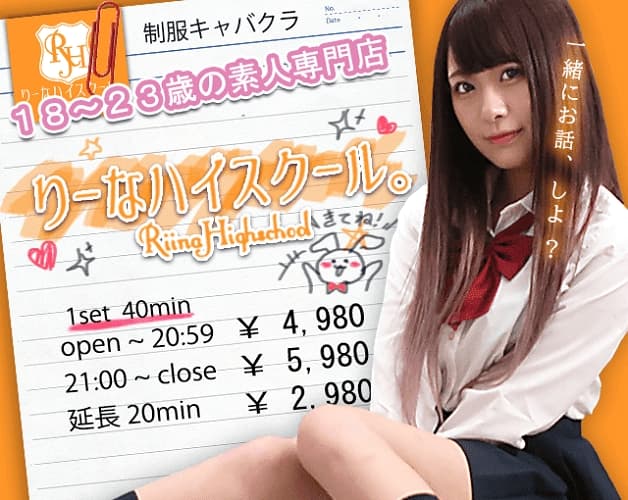
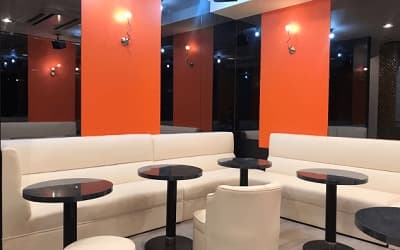
『りーなハイスクール』は、18歳から22歳ぐらいまでの制服姿に違和感のない素人娘ばかりを集めたキャバクラです。そんなキャスト陣は黒髪ロングの清楚系から、茶髪のギャル系、ボーイッシュな運動部系と豊富なラインナップ。未経験からのスタートが多いので、初々しい反応を楽しむことができます!彼女たち同様に明るい雰囲気の店内は、白のソファが清純や潔癖をイメージさせる清潔感のある空間。料金はOPENから20:59まで1set(40分)が4,980円と、池袋で最安クラスのお値段で遊べますよ。また、各線「池袋駅」西口から徒歩4分程と駅ちかにあるので、少しだけ飲んで帰りたい時にも最適です。リーズナブルなお店でワイワイ騒ぎたい、青春時代を思い出しながら制服姿の女の子と飲みたい、若い素人女性と楽しくおしゃべりしたいなど、あなたの夢を叶えてくれるキャバクラです。
お店情報 営業時間 18:00 ~ LAST 所在地 東京都豊島区池袋2-4-6 徳永ビル4F アクセス 池袋駅西口より徒歩4分 TEL 03-6907-1720
1セット料金(40分)
OPEN~20:59 4,980円 21:00~CLOSE 5,980円 延長料金(20分) 2,980円
VIP ROOM料金
ALL TIME 7,980円 延長料金(20分) 3,980円
その他・オプション料金等
指名料(1SET) 1,980円 延長指名料(20分) 1,000円 税金・サービス料 10%/5%
店内Gallery アクセスマップ
利用者の口コミ 学生服姿の女子に囲まれていたからか、若い頃の甘酸っぱい思い出が蘇ってきた。それも相まって、より楽しい気分になれました。
非日常が味わえる!池袋エリアの老舗キャバクラ!(Club Almauj/アルマージ)
池袋に店を構えながら、まるで銀座の高級クラブさながらのラグジュアリー感を演出している老舗人気キャバクラ店「Club Almauj (アルマージ)」。店内は高級感溢れる内装ですが、決して派手過ぎることのない落ち着いた癒やし空間を演出しています。花や熱帯魚なども設置されており、さながら大人の隠れ家といった雰囲気。ゆっくりとくつろげる非日常のひとときを味わうことが可能ですよ。また、同店はいわゆる“姉系キャバクラ”で、在籍しているキャストは平均年齢32歳のお姉さんたちが中心です。厳選に厳選を重ねた女性たちは若い子にはない色気を兼ね備え、そのしっとりとした様子に酔いしれること間違いなし。あなただけの甘美な時間を過ごすことができますよ。団体様、おひとり様でも気軽にご利用可能。池袋にお越しの際には、ぜひ一度お立ち寄りください。
お店情報 営業時間 19:30~LAST 所在地 東京都豊島区池袋2-45-1 アークシティ池袋2F 202 アクセス 池袋駅西口より徒歩5分 TEL 03-3988-0075
1セット料金(60分)
19:30~20:29 5,000円 20:30~LAST 6,000円
その他・オプション料金等
本指名料 3,000円 場内指名料 2,000円(2人目~ 3,000円) テーブルチャージ 1,000円 VIPチャージ料金(1時間毎) 1,000円 延長料(フリー/指名/VIP) 3,500円/4,000円/4,500円
店内Gallery アクセスマップ
公式SNS
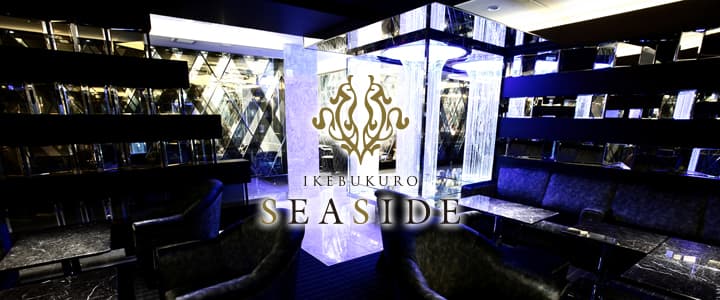
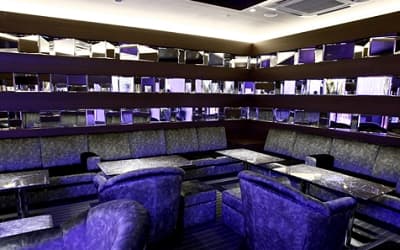
深い碧の深海を思わせるような素敵空間(池袋SEASIDE/シーサイド)
業界最大手の「プリンスグループ」が池袋エリアに満を持して出店!都内最大規模のフロア面積と深海の楽園をイメージした店内は必見!JR池袋駅東口から徒歩2分のところに位置する池袋「SEASIDE~シーサイド~」は、大手「プリンスグループ」が池袋に初めて出店した、敷地面積は90坪、座席数は100席の超大型の本格キャバクラ店です。内装には強いこだわりがあり、「碧」の間接照明はまるで深海を思わせるような素敵空間。そんな「池袋SEASIDE~シーサイド~」は、キャストのクオリティも池袋エリアトップクラスで採用基準を突破した厳選された女の子達ばかりです。心を込めた接客が心地よく、贅沢な時間を過ごせます。近くにお越しの際は是非お立ち寄りください。
お店情報 営業時間 19:00 ~ LAST 所在地 東京都豊島区東池袋1-4-2 三経33ビル5F アクセス 池袋駅東口より徒歩2分 TEL 03-6915-2286
MEMBER/VISITOR(60分)
19:00~21:00 5,000円/6,000円 21:00~22:00 7,000円/8,000円 22:00~LAST 8,000円/9,000円 延長料金(30分) 3,500円/4,000円 ※自動延長 同伴料 5,000円 指名料 3,000円 場内指名料 3,000円 テーブルチャージ 1,000円 税金・サービス料 10%/25%
VIP/SWEET ROOM(60分)
2名~ 15,000円 延長料金(30分) 5,000円 税金・サービス料 10%/30%
スタンダードルーム(60分)
19:00~22:00 10,000円 22:00~LAST 12,000円 延長料金(30分) 5,000円 税金・サービス料 10%/30%
エグゼクティブルーム(60分)
ALL TIME 15,000円 延長料金(30分) 5,000円 税金・サービス料 10%/30%
店内Gallery 在籍キャスト アクセスマップ
利用者の口コミ 某大手グループ傘下のとても有名なお店。もし行先のあてがないならここに行けば間違いないと思います。在籍してる女の子の数も多い。
居心地の良さが特徴的な、つい通いたくなるキャバクラ(Latona/ラトーナ)
出典:ナイトスタイル
抜群の好アクセスを誇るキャバクラが、『excellent club Latona(ラトーナ)』。『池袋駅』C6出口からなんと徒歩数十秒で行くことができるお店です。店内に入ると広がっているのは、穏やかで居心地の良い空間。シックな色合いに統一された内装は、時間を忘れてゆっくりと過ごせる雰囲気を演出しています。そんな優雅なひと時を彩る、キャスト達の質はハイレベル。グラマーなお姉さん系から、可愛らしい顔つきの妹系まで、様々なタイプの美人と出会えますよ。また、20:00~20:59には1SET( 60分)4,000円、21:00~21:59でも1SET( 60分)5,000円という懐に優しい値段も魅力。早く仕事を終えることができた際の、自分へのご褒美として利用するのも良いでしょう。一度足を踏み入れれば、何度でも通いたくなる魅力たっぷりなこちらのキャバクラ。池袋で文字通りエクセレントな夜を過ごせる、お気に入りになること間違いなしなお店です。
お店情報 営業時間 20:00 ~ LAST 所在地 東京都豊島区池袋2-2-7 本州ビル3F アクセス 池袋駅C6出口より徒歩数十秒 TEL 03-6907-2332
1セット料金(60分)
20:00~20:59 4,000円 21:00~21:59 5,000円 22:00~LAST 7,000円 延長料金(30分/60分) 4,000円/6,000円
その他・オプション料金等
指名料 2,000円 場内指名料 2,000円 同伴料(60分) 4,000円 税金・サービス料 30%
店内Gallery 出典:ナイトスタイル
アクセスマップ
池袋の喧騒を忘れ、穏やかな時間を過ごせるキャバクラ(クラブ レバート)
池袋エリアの賑わいから一歩離れて、優雅な夜を過ごせるキャバクラが『CLUB LEVART(クラブ レバート)』です。店内はベージュ色の壁紙やブラックのテーブルとソファが印象的な、シンプルで心落ち着く空間が広がっています。10代後半~30代という幅広い年齢層のキャストが働く同店。ある時はガーリーな女の子を選び、またある時は大人の女性との時間を楽しむ。そんな飽きの来ない遊び方を満喫できます。穏やかな空気が流れる店内と同様に、キャスト達それぞれの接客もどこかアットホーム。雰囲気の良さを感じさせる、笑顔あふれるサービスであなたの心をリラックスさせてくれますよ。20:00~20:59は1SET(60分)5,000円の値段で利用可能なので、早めに帰ることができた際に立ち寄るのがおすすめ。「ストレスが溜まっているな」とお感じの方は、池袋の隠れ家的キャバクラで女性達に癒やされに来てはいかがでしょう。
お店情報 営業時間 20:00 ~ LAST 所在地 東京都豊島区池袋2-7-5 第3川口ビルB1F アクセス 池袋駅より徒歩5分 TEL 03-6914-1799
1セット料金(60分)
20:00~20:59 5,000円 21:00~LAST 7,000円 延長料金(60分) 7,000円 ※自動延長
その他・オプション料金等
店内Gallery アクセスマップ
特別な夜を過ごすのにふさわしいキャバクラ!(SWEET/スイート)
「池袋駅」東口から徒歩圏内の距離で、非日常的な気分を味わえるキャバクラが『SWEET(スイート)』です。落ち着いた色彩でまとめられた店内は、居心地の良い雰囲気。ゆったりと夜を楽しむのに最適なお店です。同店はこだわり抜かれた内装だけでなく、サービスも一級品。池袋でも有数の美しさを持つ美女達が、トークに花を咲かせてくれますよ。また、彼女達を含めたスタッフ全員の丁寧な接客姿勢も好印象。ストレスフリーで過ごせる、優雅なひと時を演出してくれます。これだけの贅沢な時間を堪能できるのに、お手頃価格で利用できる同店。20:00~20:59は1SET(60分)5,000円というリーズナブルな価格帯なのが驚きです。「さらに印象に残るプレミアムな夜にしたい」という方にぴったりなVIPルームも用意されているので、こちらもおすすめですよ。仕事終わりでも休日でも、池袋で特別な夜を過ごしたい時は定番となること間違いなしのキャバクラです。
お店情報 営業時間 19:00~LAST 所在地 東京都豊島区東池袋1-22-6 今井ビル4F アクセス 池袋駅より徒歩3分 TEL 050-3580-3550
1セット料金(60分)
20:00~20:59 5,000円 21:00~21:59 6,000円 22:00~LAST 7,000円 延長料金(30分/60分) 4,000円/7,000円 税金・サービス料 20%
VIP ROOM
ALL TIME 12,000円 延長料金 5,000円 税金・サービス料 30%
その他・オプション料金等
指名料 2,000円 場内指名料 2,000円 延長指名料 2,000円 同伴料 5,000円
店内Gallery アクセスマップ
利用者の口コミ 仕事のことで愚痴ってばかりですが、いつも笑顔で話を聞いてくれる。ここに来るとモヤモヤした気持ちが解消されます。
居心地の良い雰囲気が好印象な駅近キャバクラ!(PARADIS/パラディ)
スマートな空間で非日常的な気分を大いに味わえるのが、池袋にあるキャバクラ『PARADIS(パラディ)』です。店内に一歩足を踏み入れると、広々とした空間が目の前に。シックな色彩をメインカラーに、シャンデリアをはじめとした調度品がアクセントとなった、スタイリッシュな内装が特徴的です。居心地の良さを感じさせる雰囲気の中、女の子とのトークをじっくりと楽しめますよ。そして、注目のキャスト陣もハイクオリティなルックスの持ち主が揃い踏み。明るい性格の美人さんばかりなので、テンションを大いにアゲてくれることでしょう。気分が高まった際にはカラオケの利用もおすすめ。一緒に歌えば、さらに盛り上がること請け合いです。そんな同店は、「池袋」駅北口から徒歩3分ほどという駅近な立地。仕事終わりにゆったりと滞在するような、ふとした拍子に訪れることのできる気軽さも好印象なお店です。
お店情報 営業時間 20:00〜LAST 所在地 東京都豊島区西池袋1-43-3 日精ビル3F アクセス 池袋駅北口より徒歩3分 TEL –
1セット料金(60分)
20:00~21:59 6,000円 21:00~LAST 7,000円 延長料金(30分) 4,000円
その他・オプション料金等
指名料 3,000円 場内指名料 3,000円 同伴料(60分) 3,000円
店内Gallery アクセスマップ
利用者の口コミ 遊び好きの友人に良さげなキャバクラを尋ねたらここをおすすめされたので行ってみた。指名料がもう少し安ければとは思ったけど、それ以外はすごい良かった。今度一杯おごってやらねば。
朝から池袋でワイワイできる!そんな体験が可能なお店!(club Regene/リジェネ)
池袋で朝からキャバクラで遊ぶ!そんな贅沢な気分を体感できるお店が『club Regene(リジェネ)』です。同店はなんと6:00からオープン。早い時間帯から、女の子と一緒に楽しいひと時を過ごせちゃうんです。もちろん、在籍しているキャスト達は、魅力たっぷりな子ばかり。キュート系をはじめ、グラマー系、スレンダー系など、個性豊かな女の子があなたを待っていますよ!お気に入りの推しメンを見つけるも良し、色んなタイプの子と会ってみるも良し。1度だけでは物足りなくなるくらい、新鮮な気分を何度も味わえます。もちろん、ビジュアル面だけでなく、接客面も彼女達はピカイチ。充実した時間をもたらしてくれることでしょう。オール明けに利用したり、午後以降の予定の前に立ち寄ってみたりと、遊び方はあなた次第。池袋の街を楽しみ尽くすなら、見逃せないキャバクラです。
お店情報 営業時間 6:00~12:00 所在地 東京都豊島区池袋2-42-8 幸運館ビル地下1F アクセス 池袋駅西口より徒歩3分 TEL 03-5957-5355
1セット料金(60分)
店内Gallery アクセスマップ
品の良さが溢れる美女達があなたをお出迎え!(MARINA BAY’S/マリーナベイ)
「たまには池袋でゆっくりとしたひと時を過ごしたい」。そんな気分の時にピッタリのキャバクラが、『MARINA BAY’S(マリーナベイ)』です。店内に一歩足を踏み入れると、シックな色合いで統一された空間がお出迎え。ゆったり座れるロングソファーをはじめ、肩肘張らずに滞在できる環境が整っています。また、同店はキャスト陣も美人揃い。ビジュアルのレベルの高さはもちろんのこと、エレガントな雰囲気も持ち合わせる女性が集まっています。品の良さを感じさせる彼女達のおもてなしに、日頃のストレスも解消されること必至。コンパクトにまとめられた店内だからこそ、程よい距離感で美女とのトークを楽しめますよ。そして、同店は最寄り駅からのアクセスの良さも魅力。各線「池袋駅」から徒歩圏内という立地なので、気軽に訪れやすいのもイチオシポイントです。仕事帰りの息抜きや飲み会後の2軒目など、ぜひ様々なシチュエーションで利用してみてくださいね。
お店情報 営業時間 20:00~LAST 所在地 東京都豊島区東池袋1-22-6 今井ビル4F アクセス 池袋駅 東口より徒歩5分 TEL –
店内Gallery アクセスマップ
利用者の口コミ 僕が行った時は一人で遊びに来てる人は見当たらなかったけど、一人でも問題なく楽しめる。もちろんツレと一緒にきても楽しめそう。今度くる時は友達を誘ってきてみようと思います。